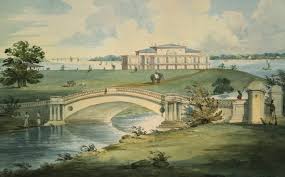
Bengal Sporting, first published in 1837, holds a significant place in the history of Indian sports journalism and media, particularly in the region of Bengal. Edited by the British journalist Joachim Hayward Stocqueler, it was one of the earliest sports publications in India and played a pivotal role in shaping the sports culture and media landscape during the 19th century.
- Focus on Sports in Bengal: The publication primarily focused on the sporting activities of Bengal and surrounding regions, reporting on the local and international sports scene. It played an essential role in covering sports like cricket, polo, horse racing, and traditional Indian wrestling, which were popular in colonial Bengal. At a time when many sporting events were held under British colonial rule, Bengal Sporting served as a bridge between colonial sports culture and local Indian traditions.
- Promotion of British Colonial Sports: As a product of British colonialism, Bengal Sporting reflected the interests of the British elite in India. The magazine emphasized sports like cricket and polo, which were introduced by the British during their rule in India. These sports gained significant attention in the publication, as they were enjoyed by the British expatriates, soldiers, and officials stationed in India.
- Indian Sports Representation: The publication also began to document and promote native Indian sports. It highlighted traditional Indian games such as kabaddi, wrestling, and various local and regional athletic competitions. While much of the content focused on British-influenced sports, Bengal Sporting helped pave the way for the inclusion of indigenous sports in the broader sports discourse in India.
- Role of Joachim Hayward Stocqueler: Joachim Hayward Stocqueler, a British journalist, was the key figure behind Bengal Sporting. Stocqueler was known for his deep knowledge of sports and his interest in fostering a connection between India and the British sports community. His work as the editor and writer helped establish Bengal Sporting as a trusted source of sports news, analysis, and commentary during the 19th century.
- Impact on Indian Sports Media: As one of the first of its kind in India, Bengal Sporting had a profound influence on the development of sports journalism in India. It helped create a platform for discussions around sports, where previously there had been little coverage. It laid the foundation for future publications and newspapers in India to take a more serious approach to sports reporting.
- Colonial Influence on Sports Media: During the 19th century, sports journalism in India was heavily influenced by British colonial interests. Bengal Sporting, with its focus on British-dominated sports, mirrored the broader trend of colonial media shaping the sporting landscape. The magazine catered to the tastes and interests of the British rulers and their local elites, making it an important piece of colonial-era media.
- Cultural Context: Bengal Sporting emerged during a time when India was undergoing significant cultural changes due to British influence. Sports, particularly those associated with British colonial life, began to gain popularity among the Indian elites, who increasingly engaged with these new forms of recreation. The publication helped this process of cultural exchange, where colonial sports and indigenous practices coexisted.
- Contribution to Indian Journalism: Bengal Sporting marked the early days of sports journalism in India and remains one of the pioneering efforts in this field. It contributed to the growth of sports media in India, setting a precedent for future sports publications.
- Influence on Cricket’s Popularity: The publication helped fuel the growing interest in cricket, which was becoming increasingly popular among the Indian population. By reporting on cricket matches and players, Bengal Sporting played a role in making cricket a national passion in India.
- The Role of Sports in Nation-Building: The publication also highlighted the growing role of sports in nation-building and national identity in India, especially during a time when India was under British colonial rule. The rise of cricket and the participation of Indian athletes in international competitions helped in the formation of a distinct Indian sporting identity.
In conclusion, Bengal Sporting played a crucial role in the development of sports journalism in India during the 19th century. While the publication primarily reflected the interests of the British colonial elite, it also paved the way for the eventual growth of a more diverse and inclusive sports media landscape in India. Through its coverage of both British-influenced sports and traditional Indian games, it contributed significantly to the evolution of Indian sports culture and media.