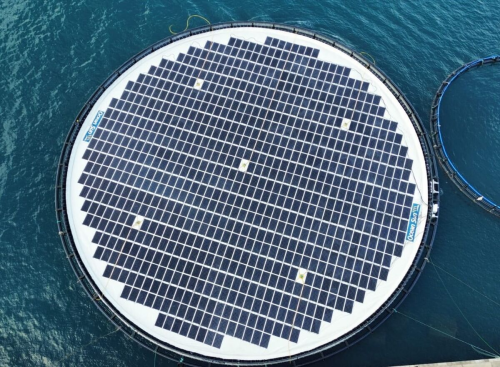
Australia is pioneering an innovative solution to two of its most pressing challenges—clean energy generation and water scarcity—by installing solar panels directly on the surface of dams. This groundbreaking approach, known as floating solar farms, offers a dual benefit: producing renewable energy while conserving precious water resources.
Unlike traditional solar installations that require vast expanses of land, floating solar panels make use of existing water reservoirs. The water beneath the panels naturally cools the solar cells, boosting their efficiency and allowing them to produce more energy even in extreme heat. “It’s a win-win technology,” said Dr. Emily Clarke, a renewable energy expert. “You get clean electricity without taking up farmland, and the water beneath actually improves performance.”
The impact on water conservation could be even more significant. By shading the surface of reservoirs, these solar panels reduce the amount of water lost to evaporation—a critical factor in Australia’s sun-scorched regions. Preliminary studies suggest that floating solar farms could preserve millions of liters of water annually, benefiting farms, local communities, and sensitive ecosystems.
Although still in its early stages, Australia’s floating solar initiative has already attracted global attention. If scaled up, experts believe it could serve as a model for other countries struggling with water shortages and energy demands, demonstrating how innovative technology can address multiple environmental challenges simultaneously.
With climate change intensifying both heat and drought conditions, floating solar farms could represent a major step toward sustainable energy production and responsible water management, proving that creative thinking can turn existing resources into multifaceted solutions.