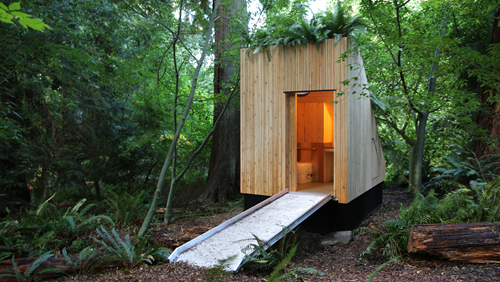
Researchers at the University of British Columbia (UBC) have achieved a world-first with the launch of the MycoToilet, a revolutionary waterless toilet system that harnesses the power of mushrooms to transform human waste into compost. The innovative prototype has been recognized as the “World’s first mushroom-powered waterless toilet.”
The MycoToilet utilizes mycelium—the intricate root network of mushrooms—to break down solid human waste into nutrient-rich compost without requiring water, electricity, or chemicals.
Process: The system separates liquid and solid waste. Solid waste is directed into a compartment lined with mycelium, where fungi and microbes absorb odours and decompose the matter.
Sustainability: This circular approach turns what is typically considered toxic waste into a valuable resource: safe, nutrient-rich soil and liquid fertilizer.
Odour Control: Lab tests suggest the mycelium liners are highly effective, removing over 90% of odour-causing compounds.
Designed with a modern, sustainable aesthetic, the cedar-sided, wheelchair-accessible unit is an ideal alternative to chemical-heavy porta-potties. It is particularly suited for parks, remote communities, and areas lacking conventional plumbing.
Project lead Professor Joseph Dahmen stated that the goal was to create a clean, comfortable experience that “reminds us of our connection to ecological cycles,” and takes the uncertainty and negative associations out of composting toilets.
The MycoToilet, currently undergoing a pilot test at the UBC Botanical Garden, is expected to produce roughly 600 liters of soil and 2,000 liters of liquid fertilizer annually once fully operational, marking a major step forward in sustainable sanitation technology.