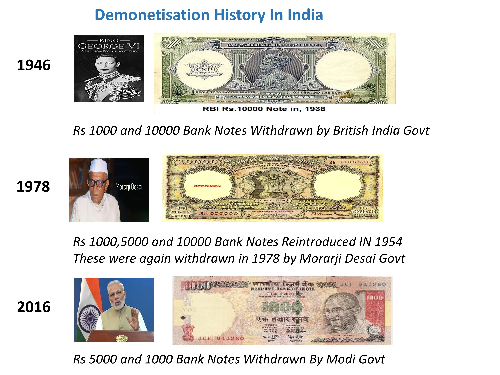
In a historic economic move, the Government of India carried out the country’s first demonetization on January 12, 1946, targeting high-value currency notes in a bid to eliminate black money and unaccounted wealth.
The decision, taken under the British colonial administration, led to the withdrawal of ₹500, ₹1,000, and ₹10,000 denomination notes from circulation. The aim was to expose hidden reserves of wealth accumulated illegally during World War II, especially by traders, businessmen, and political actors.
“This measure is essential to cleanse the economy and restore monetary discipline,” said a colonial finance official in a public statement.
Citizens holding these notes were instructed to declare and exchange them within a short window, but only a limited amount of the demonetized currency was returned to the banking system, indicating widespread hoarding or destruction of unaccounted funds.
- Date of Demonetization: January 12, 1946
- Withdrawn Denominations: ₹500, ₹1,000, ₹10,000
- Reason: Control black money and restrict illegal hoarding
- Issued By: British colonial government of India
- Outcome: Limited success due to low penetration of high-value notes among the public
This event marked India’s first-ever experiment with demonetization, a policy tool that would re-emerge in 1978 and 2016 as part of broader efforts to curb corruption, tax evasion, and counterfeiting.
Though limited in scope, the 1946 demonetization laid the foundation for future monetary reforms in independent India, and remains a notable moment in the country’s financial history.