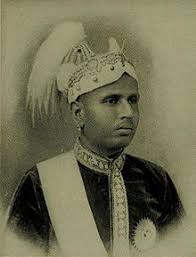
Here are more details about the legislative developments in Travancore under the reign of Sree Moolam Thirunal Rama Varma and King Chithira Thirunal Balarama Varma:
In March 1888, Maharaja Sree Moolam Thirunal Rama Varma of Travancore established an eight-member assembly, marking a significant step towards a more structured legislative framework in the princely state. This assembly was one of the earliest forms of representative governance in the region.
The assembly was primarily advisory and consisted of nominated members, reflecting the early stages of political evolution in Travancore.
On 28 October 1932, King Chithira Thirunal Balarama Varma introduced a bicameral legislature, replacing the existing council. This was a significant reform aimed at modernizing the governance structure.
This was the upper chamber of the legislature, consisting of nominated and elected members. It played a crucial role in reviewing and advising on legislative matters.
The lower chamber, known as the Popular Assembly, had a more representative character with elected members. It was responsible for proposing and passing legislation, reflecting the growing influence of democratic principles.
The establishment of a bicameral system represented a progressive step towards democratization in Travancore, enhancing public participation in governance.
These reforms laid the groundwork for the modern legislative system in Kerala, contributing to the state’s political evolution.
The legislative reforms introduced by Sree Moolam Thirunal Rama Varma and King Chithira Thirunal Balarama Varma were pivotal in shaping the governance of Travancore, reflecting the broader trend of political modernization in princely states during the late 19th and early 20th centuries.