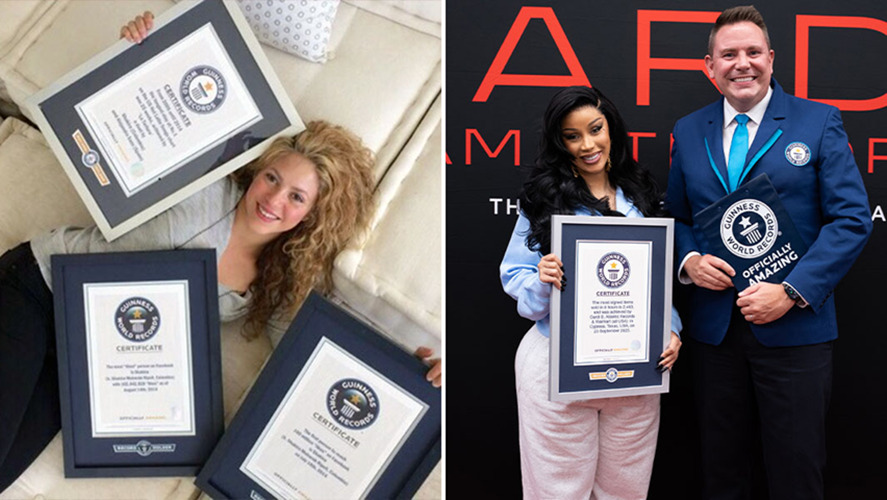
Over the past 30 years, Latin women have not only reshaped the sound of global music but have also shattered records, challenged industry barriers, and redefined what international stardom looks like. From chart dominance to cultural influence, their rise marks one of the most powerful transformations in modern music history.
The movement gained global momentum in the mid-1990s, when artists like Gloria Estefan, Selena Quintanilla, and Shakira brought Latin rhythms and bilingual storytelling into the mainstream. Selena’s posthumous success helped introduce Tejano and Latin pop to wider audiences, while Shakira’s crossover into English-language markets at the turn of the millennium set a new blueprint for global pop stardom.
As the 2000s unfolded, Latin women began dominating charts rather than merely crossing over. Artists such as Jennifer Lopez became cultural icons, breaking records on the Billboard charts while expanding into film, fashion, and business. Her achievements demonstrated that Latin women could command global influence without compromising their cultural identity.
The rise of digital platforms in the 2010s further accelerated this transformation. Colombian superstar Karol G emerged as a trailblazer in the male-dominated reggaeton genre, becoming the first woman to top the Billboard Top Latin Albums chart with a Spanish-language album. Her stadium tours and streaming milestones redefined what success looks like for women in urban Latin music.
Similarly, artists like Rosalía pushed creative boundaries, blending flamenco with experimental pop and electronic sounds. Her critically acclaimed albums earned international awards and proved that Latin women could innovate artistically while achieving commercial success. Becky G, Natti Natasha, Anitta, and Ivy Queen also played crucial roles, breaking streaming records and amplifying female voices in genres long dominated by men.
Beyond numbers, these artists have driven cultural change. Latin women in music have increasingly used their platforms to address issues such as gender equality, identity, migration, and self-empowerment. Their visibility has helped normalize Spanish-language music on global charts, with Latin tracks now regularly competing alongside English-language hits.
The impact is reflected in the data. Latin music has become one of the fastest-growing genres worldwide, with women at the forefront of streaming milestones, sold-out international tours, and award recognition. Latin female artists now headline major festivals and win top honors at global ceremonies once considered out of reach.