Microplastics — tiny fragments of plastic less than 5 millimeters in size — are no longer just an environmental issue. Scientists have now detected these particles in blood, lungs, placentas, and even the human brain, highlighting a troubling reality: plastics have infiltrated the human body and may have health consequences that we’re only beginning to understand. Recent research shows microplastics can accumulate in vital organs and spark inflammation, oxidative stress, and immune system disruptions. Once inside, the body has no natural way to break down or expel these particles, and there is presently no medical treatment to remove them.
Studies employing advanced detection techniques have confirmed microplastics in multiple tissues — from the lungs and gastrointestinal tract to the central nervous system. Laboratory evidence suggests these particles can interact with biological systems, potentially leading to immune responses, cellular damage, and chronic inflammation, although direct causal links to disease in people are still being explored.
Microplastics enter the body through ingestion of contaminated food and water, inhalation of airborne particles, and possibly even through the skin. Airborne microplastics have been shown in some studies to reach deep into the lungs and enter the bloodstream, raising concerns about long-term respiratory and cardiovascular effects.
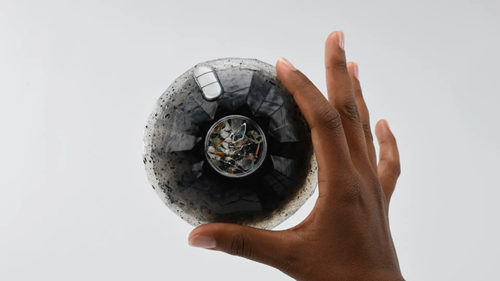
Against this backdrop, designers and futurists have started to imagine radical new ways to help the body cope with plastic pollution internally. One provocative concept is the so-called “79th Organ” — a fungi-based, bioengineered organ that could, in theory, trap microplastics and enzymatically break them down into safer substances.
Inspired by certain fungi that naturally degrade plastics, this speculative device would serve as a living filter, supplementing the body’s existing detox systems, which were never designed to handle synthetic polymers. While purely conceptual at this stage, the idea illustrates the urgent creative thinking emerging around microplastic health challenges.
Experts emphasize that the “79th Organ” is not a real or medically viable treatment yet. The concept faces immense scientific and safety obstacles, including immune compatibility, long-term stability, and ensuring that breakdown byproducts are truly harmless.Nevertheless, the idea points to an important truth: plastic pollution — once thought to be an external environmental problem — has now become an internal health issue. Addressing it may require new intersections of biology, technology, and design thinking.
For now, prevention remains the primary strategy. Reducing plastic use, limiting exposure to microplastic-laden air and water, and supporting innovations like filtration systems are all key steps to limit the influx of plastic into the body. While the full health implications of internal microplastic accumulation are not yet fully known, scientists agree the issue warrants continued research and public awareness.