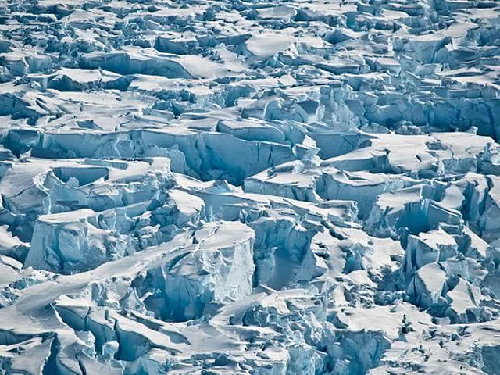
The world is witnessing yet another alarming climate milestone. According to the Copernicus Climate Change Service, global sea ice cover fell to its lowest extent on record this February, highlighting the intensifying impact of global warming.
On February 7, the combined Arctic and Antarctic sea ice coverage dipped to just 16.04 million square kilometers, the lowest ever recorded. Scientists attribute this to rapidly warming temperatures—particularly in the Arctic, where readings soared up to 11°C above the seasonal average.
The report also identified February 2025 as the third warmest February on record, continuing a trend of near-constant record-breaking global temperatures over the past two years.
“February 2025 continues the streak of record or near-record temperatures observed throughout the last two years,” said Samantha Burgess, Deputy Director of the European Centre for Medium-Range Weather Forecasts.
- Sea Ice Minimum: 16.04 million sq. km (Antarctic + Arctic combined)
- Temperature Spike: +11°C above average near the North Pole
- Global Ranking: 3rd warmest February on record
- Main Cause: Greenhouse gas emissions from human activity
Climate experts warn that diminishing sea ice not only disrupts polar ecosystems but also contributes to extreme weather events across the globe, rising sea levels, and long-term climate instability.
The Copernicus findings are expected to spark renewed urgency at the upcoming international climate summits, with growing pressure on world leaders to implement aggressive carbon reduction policies and sustainable adaptation strategies.