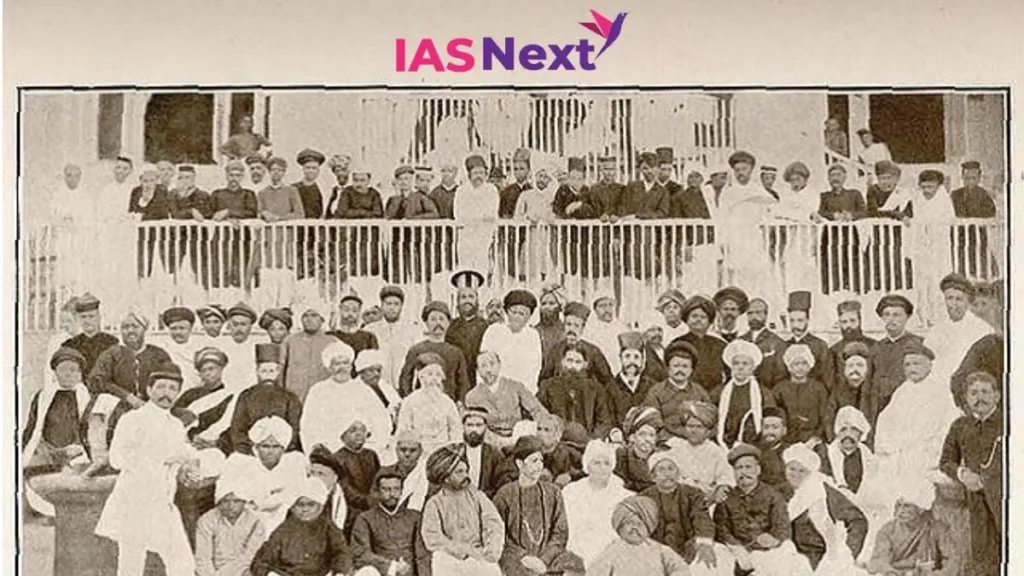
In the annals of Indian political history, the year 1838 stands as a landmark moment. It was then that the Landholders’ Society, also known as the Zamindari Association, was established in Calcutta (now Kolkata) — making it India’s first-ever public association formed during British rule.
This pioneering initiative brought together prominent zamindars (landowners) from Bengal, Bihar, and Orissa to form a collective voice to protect their rights and advocate for fair land revenue policies under the British colonial administration.
- Established: November 1838
- Purpose: To protest unjust land revenue laws and press for the recognition of zamindari rights
- Founding Figures: Babu Radhakanta Deb, Dwarkanath Tagore, and other elite landowners
- Location: Headquartered in Calcutta, the intellectual hub of British India at the time
The Landholders’ Society was non-political in nature, but it laid the groundwork for more organized political movements. Its formation marked a critical step in India’s transition from colonial subjugation to civic awareness, and it would later inspire more broad-based platforms such as the British Indian Association (1851) and eventually the Indian National Congress (1885).
Scholars consider the society to be “the first organized expression of Indian political will,” representing the emergence of elite Indian interests in public discourse. While it largely focused on property rights and taxation, it set a precedent for public mobilization and political negotiation with colonial powers.
- The Landholders’ Society submitted memorandums to the British Parliament—a rare act of political engagement by Indians at the time.
- Its demands eventually influenced the creation of legislative councils under British rule.