London, April 15, 2025 — In a groundbreaking move that will change the way millions of people trace their roots, a vast collection of family history records has now been digitized and made accessible online for the first time.
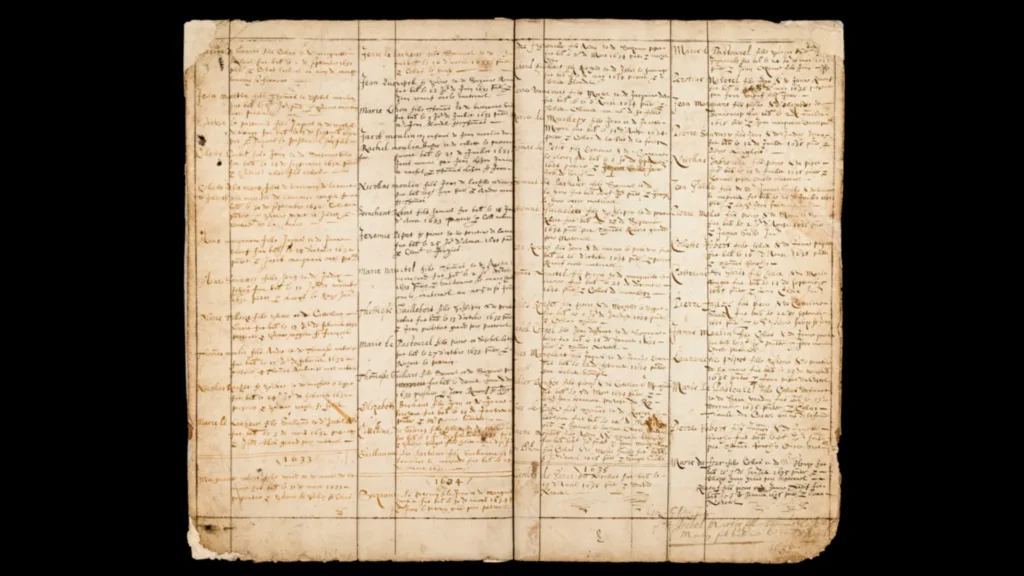
The new initiative, launched by the Global Genealogy Consortium (GGC), brings over 100 million historical documents from archives, churches, and local governments across the globe into the digital age. These records include birth certificates, marriage records, census data, and immigration files, all of which can now be accessed by anyone with an internet connection.
“This is a monumental step forward for genealogical research,” said Dr. Emily Harper, Director of the GGC. “For years, family history enthusiasts have had to visit local archives or rely on expensive services to access paper records. Now, for the first time, the information is available at the click of a button.”
The records, which span over 400 years of history, come from a diverse range of countries and cultures, providing unprecedented access to genealogical data that was once scattered and difficult to locate. With a user-friendly search interface, people can easily trace their family tree, uncover hidden branches, and discover new ancestors—many of whom may have lived in different parts of the world.
For those just starting their genealogical journey or even seasoned researchers, the digitization project is a game-changer. The online platform allows users to search for records based on names, locations, dates, and even specific historical events, enabling quicker and more accurate findings.
“Discovering my great-great-grandfather’s immigration record in an archive in New York was a life-changing moment for me,” said Thomas O’Reilly, a genealogist from Boston. “I never imagined that the next document I needed would be accessible from my living room in real-time.”
In addition to individual users, the project also promises to be a vital tool for professional genealogists, historians, and even educators. With much of the content now searchable and sortable by metadata, the information can be used in academic research, museum exhibits, and public heritage projects.
The GGC has also partnered with several historical societies, universities, and government organizations to ensure that the digitization continues to grow, with plans for additional records to be added each year.
The move to digitize these records is being celebrated by the genealogical community worldwide, with many applauding the increased accessibility and affordability of family history research. With millions of people already using the new platform, the project is already being hailed as one of the most significant milestones in the history of genealogy.
As more and more families turn to the online platform to uncover their past, the hope is that this digital archive will help people reconnect with their heritage, share their stories, and preserve their history for generations to come.