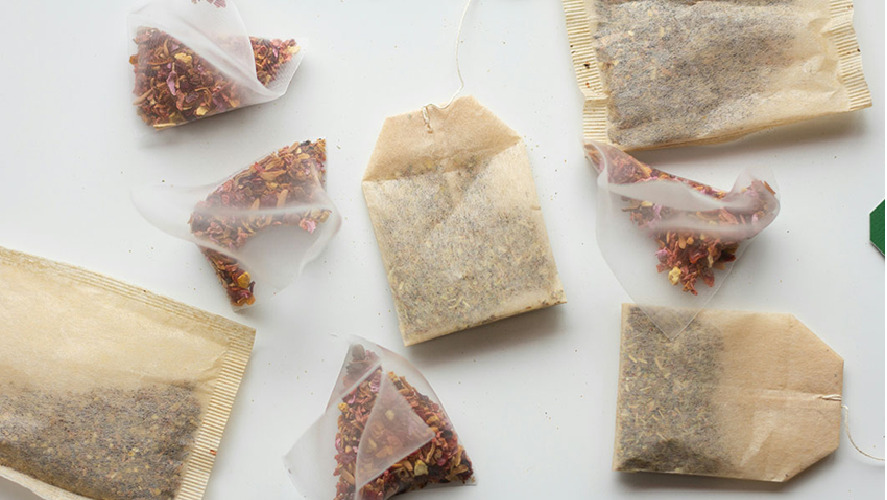
One of the most common items in modern kitchens around the world owes its existence not to careful planning, but to a simple marketing mistake. The teabag, now synonymous with convenience and daily ritual, became a household must-have thanks to an accident that reshaped how the world drinks tea.
The story begins in the early 1900s, when American tea merchant Thomas Sullivan was looking for a cost-effective way to send tea samples to potential buyers. Instead of shipping loose tea in metal tins, Sullivan began sending small portions of tea wrapped in silk bags. The idea was straightforward: customers would remove the tea from the bag before brewing.
But many didn’t.
Rather than opening the silk pouches, recipients simply dropped the entire bag into hot water. To Sullivan’s surprise, customers responded enthusiastically, praising the simplicity and cleanliness of this new “method.” What was meant to be disposable packaging had unintentionally become the product itself.
At the time, tea was typically brewed loose, a process that required strainers and careful measuring. The accidental teabag eliminated the mess, reduced preparation time, and made tea more accessible—especially for busy households and offices. Word spread quickly, and demand for tea sold in bags began to rise.
Sullivan quickly recognized the opportunity. He shifted from silk to cheaper materials like gauze and later paper fiber, making teabags affordable for mass production. By the 1920s and 1930s, teabags were being produced commercially, and tea companies across the United States and Europe adopted the format.
The rise of teabags also aligned perfectly with social change. As urban life accelerated and more women entered the workforce, convenience became a major selling point for food and drink products. Teabags fit seamlessly into this shift, offering a faster alternative without sacrificing tradition.
Initially, purists resisted. Tea connoisseurs criticized teabags for limiting leaf expansion and flavor depth. Yet the public embraced them, prioritizing ease over ritual. By the mid-20th century, teabags dominated tea sales in countries like the United States and the United Kingdom, permanently changing consumption habits.
Today, billions of teabags are used globally every year. They have evolved from simple paper sachets into pyramid bags, biodegradable materials, and premium blends designed to rival loose-leaf quality. Despite these innovations, the core appeal remains the same: simplicity born from a mistake.