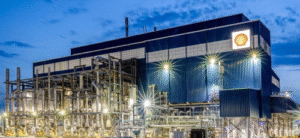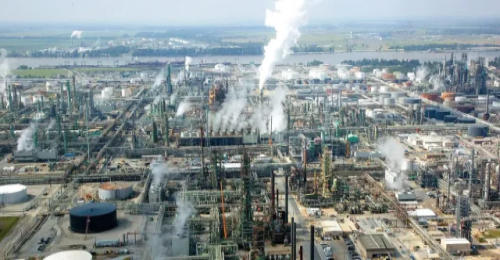
world’s first commercial fluid catalytic cracking (FCC) plant—a groundbreaking industrial achievement that transformed the global petroleum and energy industry. Commissioned in 1942 by Standard Oil of New Jersey (now ExxonMobil), the FCC plant marked a revolutionary leap in oil refining technology.
Fluid catalytic cracking introduced a far more efficient method of converting heavy crude oil fractions into high-octane gasoline and valuable fuels. Unlike earlier thermal cracking processes, the FCC technology used finely powdered catalysts in a fluidized state, significantly increasing fuel yields and improving overall efficiency. This innovation played a crucial role during World War II, enabling the large-scale production of aviation fuel needed for Allied military operations.
Engineers and scientists behind the project overcame immense technical challenges, developing new reactor designs, catalyst circulation systems, and temperature controls that laid the foundation for modern refining processes. The success of the Baton Rouge FCC plant quickly led to the adoption of the technology worldwide, reshaping refinery operations across continents.
Industry experts regard the first FCC plant as one of the most important chemical engineering achievements of the 20th century. “Fluid catalytic cracking didn’t just improve refining—it redefined it,” noted a senior energy historian. “Its impact is still felt in nearly every modern refinery today.”