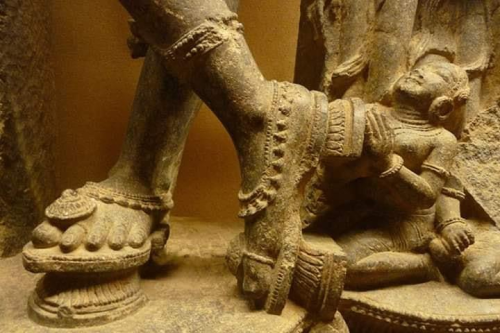
The 800–850-year-old Ramappa Temple, also known as Kakatiya Rudreshwara Temple, continues to astonish historians and archaeologists with its advanced artistic and cultural insights. Built around 1213 CE during the reign of the Kakatiya dynasty in Warangal, Telangana, the UNESCO World Heritage site features intricate stone sculptures that depict dancing women wearing high-heeled footwear—a striking detail that challenges modern assumptions about the origins of elevated heels.
The carvings clearly show performers adorned with raised heels, suggesting that heeled footwear was already part of Indian cultural and aesthetic expression centuries before it appeared in Western fashion. Scholars believe the footwear may have served both functional and symbolic purposes, enhancing posture, grace, and stature during classical dance performances.
These sculptures reflect the Kakatiya artisans’ extraordinary attention to detail and their deep understanding of movement, balance, and form. The temple itself is celebrated for its floating brick technology, detailed relief work, and mastery of sculptural storytelling—qualities that make it one of India’s most remarkable medieval architectural achievements.
Experts note that such artistic evidence reaffirms India’s longstanding influence on global culture and fashion traditions. The Ramappa Temple’s visual narratives provide invaluable insights into social life, performance arts, and craftsmanship in 13th-century India.