In a remarkable demonstration of modern computing power, the world record for calculating the digits of pi has been shattered, with an astonishing 314 trillion digits successfully computed after a continuous four-month run on a single server. The milestone marks a major achievement in high-performance computing, as StorageReview reclaimed the world record crown, crediting the breakthrough to exceptional storage bandwidth and system optimization.
The record-setting computation pushed hardware to its absolute limits, requiring extreme reliability, precision, and endurance. Unlike distributed computing projects that rely on multiple systems, the entire calculation was performed on a single server, highlighting the critical role of storage speed, data throughput, and sustained performance over long durations.
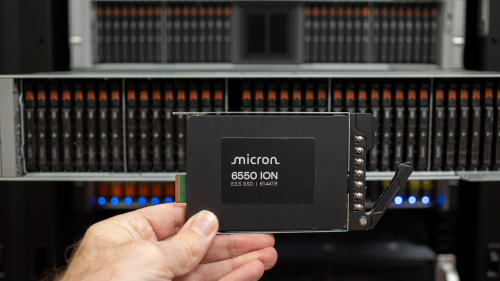
Engineers behind the project emphasized that storage bandwidth was the defining factor in achieving the record. Calculating pi to such extreme precision involves massive read-and-write operations, making high-speed storage just as important as processing power. Any system interruption or data error could have invalidated months of work.
The four-month uninterrupted run demonstrated not only the robustness of modern enterprise-grade hardware but also advancements in software efficiency and system tuning. Experts say the achievement showcases how improvements in storage technology are now enabling computational feats once thought impractical.
World records for pi calculation are more than numerical curiosities. They serve as stress tests for computing infrastructure, helping researchers evaluate hardware reliability, error handling, and long-term system stability. Such achievements often influence future developments in data centers, scientific computing, and large-scale analytics.
With 314 trillion digits now confirmed, StorageReview’s accomplishment reasserts its position at the forefront of performance benchmarking and computational innovation. The record has captured the attention of the global tech community, with many praising the project as a testament to how far modern computing systems have evolved.