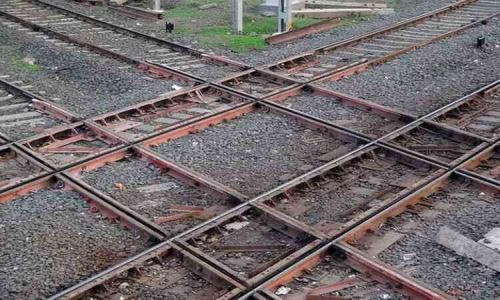
Nagpur, often referred to as the “Orange City” of India, is also home to a remarkable railway engineering feature known as the Diamond Crossing. This intricate network allows railway tracks to intersect in a diamond-shaped configuration, enabling trains to cross multiple lines safely and efficiently without causing delays or collisions.
The Nagpur Diamond Crossing is part of the city’s busy railway hub, connecting several major routes that link central India with the north, south, east, and west. The design facilitates smooth train operations at a junction that sees hundreds of passenger and freight trains pass daily. By allowing tracks to intersect at precise angles, the diamond crossing reduces congestion and enhances punctuality across the network.
Engineers highlight the crossing as a fine example of railway planning and operational management. It combines structural ingenuity with logistical precision, ensuring that high-volume rail traffic is maintained without compromising safety. The layout also showcases how complex railway intersections can be managed efficiently in urban centers.
For railway enthusiasts, the Nagpur Diamond Crossing is not just a functional piece of infrastructure—it is a visual spectacle and a testament to India’s railway engineering capabilities. It stands as a symbol of how careful planning, innovative design, and strategic implementation can transform busy rail junctions into seamless operational hubs.
This crossing continues to play a pivotal role in Nagpur’s transportation network, keeping the city connected while supporting the movement of goods and passengers across India. It is a milestone in India’s railway history, demonstrating both technical skill and practical foresight.