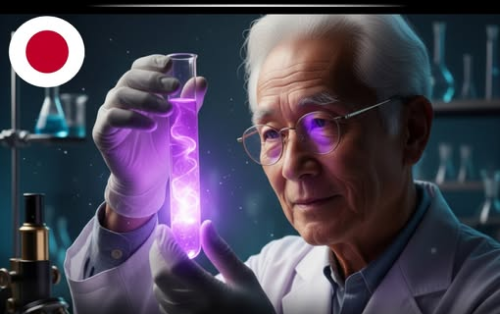
In a groundbreaking development that could reshape the future of anti-aging science, researchers at Osaka University have identified a biological mechanism that may slow — and potentially reverse — aspects of aging at the cellular level.
The team discovered that a protein called AP2A1 changes significantly as the body ages, disrupting normal cellular processes and contributing to age-related decline. In their experiments, scientists reduced AP2A1 levels in older human cells — and remarkably, the cells began behaving like younger ones, showing signs of restored vitality and improved function.
To amplify the effect, researchers paired this approach with a compound known as IU1, a drug that assists cells in clearing out damaged or toxic components. This cellular “clean-up process,” called proteostasis, becomes less efficient as humans grow older. When IU1 was combined with AP2A1 reduction, aged cells showed even stronger rejuvenation responses.
Experts say the findings represent a major leap in understanding how aging works at the molecular level. While the study is still in early-stage research and far from human application, scientists believe it could pave the way for future therapies aimed at slowing age-related diseases, improving longevity, and enhancing overall health span.
Japan, already one of the world’s oldest societies, has invested heavily in longevity research. This breakthrough from Osaka University adds to the growing global momentum behind medical science’s quest to understand — and possibly slow — human aging.