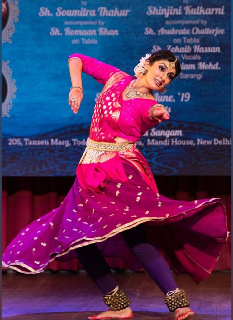
Among India’s eight classical dance forms, Kathak stands out as the only one Persianized in its evolution, blending ancient Hindu storytelling traditions with refined Mughal court aesthetics. This unique fusion has given Kathak a distinctive place in the country’s cultural history.
Originating from the Sanskrit word ‘katha’, meaning story, Kathak was initially performed by female storytellers known as Kathikas, who narrated epics like the Ramayana and Mahabharata through expressive gestures, music, and movement. These ritual performances, filled with devotional emotion or bhava, were integral to temple worship.
However, the course of Kathak dramatically shifted during the Mughal era, when the art form caught the attention of the royal courts. Under the patronage of emperors and nawabs, Kathak absorbed elements of Persian culture, such as intricate footwork, elaborate costumes, and refined gestures. This transformation led to the emergence of Darbari Kathak, characterized by its rhythmic brilliance, graceful spins, and courtly elegance, while Temple Kathak retained its devotional roots.
Today, Kathak is performed in both its sacred and secular styles, showcasing a harmonious confluence of Hindu and Persian artistic traditions. It continues to be celebrated not only as a form of dance but also as a living testament to India’s cultural pluralism.