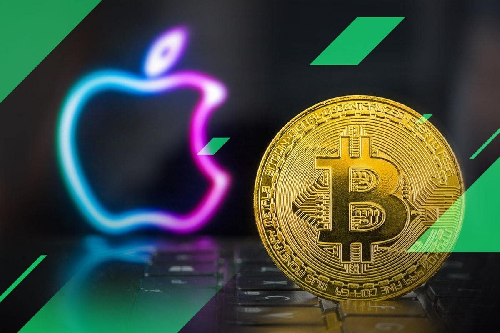
In a landmark decision that could reshape the future of digital payments in mobile gaming, Apple has officially approved its first iOS game to integrate native Bitcoin payments. The move marks a significant shift in Apple’s App Store policy and a major milestone for cryptocurrency adoption in mainstream platforms.
The game, titled “Lightning Run”, now allows users to make in-game purchases and microtransactions using Bitcoin via the Lightning Network, a fast, low-fee layer 2 payment protocol built on top of the Bitcoin blockchain.
This historic approval is being seen as a green light for developers looking to integrate decentralized payment systems into mobile apps—something previously restricted under Apple’s tightly controlled in-app purchase framework.
- First iOS game with direct Bitcoin transactions
- Supports instant, low-fee micro-payments via the Lightning Network
- Could pave the way for wider crypto integration in apps and games
- Signals Apple’s evolving stance on financial innovation and Web3 compatibility
Developed by a US-based indie studio, Lightning Run allows players to earn and spend sats (the smallest unit of Bitcoin) directly within the game environment. Apple’s approval follows months of technical vetting and policy discussion, particularly around compliance and fraud prevention.
Crypto experts and game developers have hailed the move as a “game-changer” for app monetization, especially for regions where traditional banking and card systems are limited or expensive.
Industry analysts believe Apple’s decision could lead to:
- Broader mainstream acceptance of crypto in digital ecosystems
- Enhanced user control and financial transparency
- New monetization models for indie developers and content creators
While Apple has not made an official statement beyond the approval, the decision is being closely watched by other tech giants like Google, which recently expanded its own crypto integration tools on Android.
With this approval, Apple has opened the door to the fusion of gaming, fintech, and decentralized technology—ushering in a new era of economic interaction inside apps.