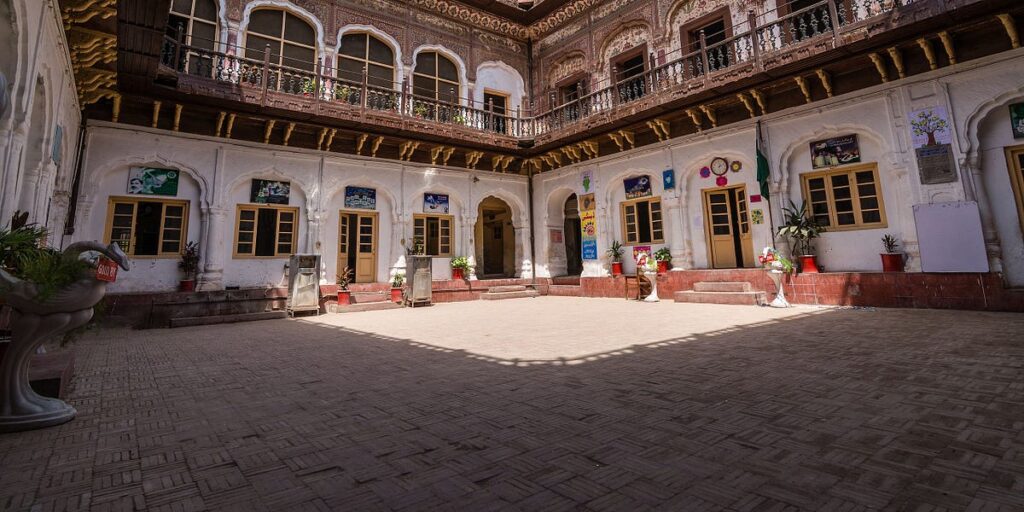
Standing as a silent witness to history and human resilience, the Punjab School for the Blind in Lahore remains one of the oldest extant institutes for the visually impaired in the Indian subcontinent. Founded in the early 20th century, this institution has educated and empowered thousands of blind and visually impaired individuals for over a century.
Believed to have been established between 1902 and 1911 during the British Raj, the school was among the first formal attempts to provide structured education to those with visual disabilities in colonial India. With its pioneering use of Braille, vocational training, and inclusive pedagogy, the school quickly gained recognition as a model of compassionate education.
Originally catering to blind children from Punjab and adjoining regions, the school provided a safe and supportive environment where students could learn not only academic subjects but also life skills and trades. The goal was simple yet revolutionary: to make the blind self-reliant and dignified members of society.
- Founded: c. 1902–1911
- Location: Lahore, undivided India (now Pakistan)
- Focus: Education, vocational training, and music therapy for the visually impaired
- Medium: Braille and tactile methods
“At a time when society often marginalized the disabled, this school offered opportunity, dignity, and hope,” said a historian on special education in colonial India.
After the Partition of India in 1947, the institute continued its services in Pakistan. It later inspired the establishment of the Government Training College for Teachers of the Blind in Lahore—ensuring the legacy of inclusive education lived on.
Today, the Punjab School for the Blind continues its mission, adapting modern techniques and assistive technologies to meet 21st-century needs. With a history that spans over 100 years, it remains a symbol of vision beyond sight, and a testament to the power of education to uplift the marginalized.
As South Asia advances in inclusive education, institutions like the Punjab School for the Blind in Lahore remind us of the enduring impact of empathy, foresight, and community service.