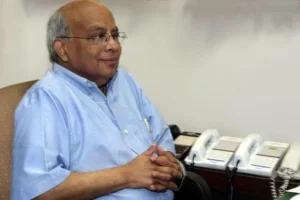
In a historic breakthrough for Indian medicine, the All India Institute of Medical Sciences (AIIMS), New Delhi, successfully performed the nation’s first heart transplant on August 3, 1994. This life-saving surgery was led by Dr. P. Venugopal, one of India’s foremost cardiothoracic surgeons, marking a monumental moment in the country’s medical history.
The transplant was performed on a 40-year-old male patient suffering from end-stage heart failure. The donor heart was retrieved from a brain-dead patient and transplanted after meticulous coordination involving surgery, intensive care, and organ transport.
While the world had seen heart transplants as early as 1967, India’s complex legal and infrastructural limitations delayed the procedure until the passage of the Transplantation of Human Organs Act, 1994. AIIMS became the first institute in India to implement the act practically, making the transplant possible.
Dr. P. Venugopal, who later became the Director of AIIMS, said:
“It was not just a medical achievement but a symbol of what Indian science, skill, and dedication can accomplish. We hope this opens the door for many more lives to be saved through organ donation.”
- Opened the path for organ transplant programs across India.
- Raised awareness about the importance of organ donation.
- Established AIIMS as a pioneer in advanced cardiac surgery and organ transplantation.
Today, India conducts hundreds of heart transplants annually, but the first beat of success was heard in the AIIMS operating theatre on that August day in 1994.