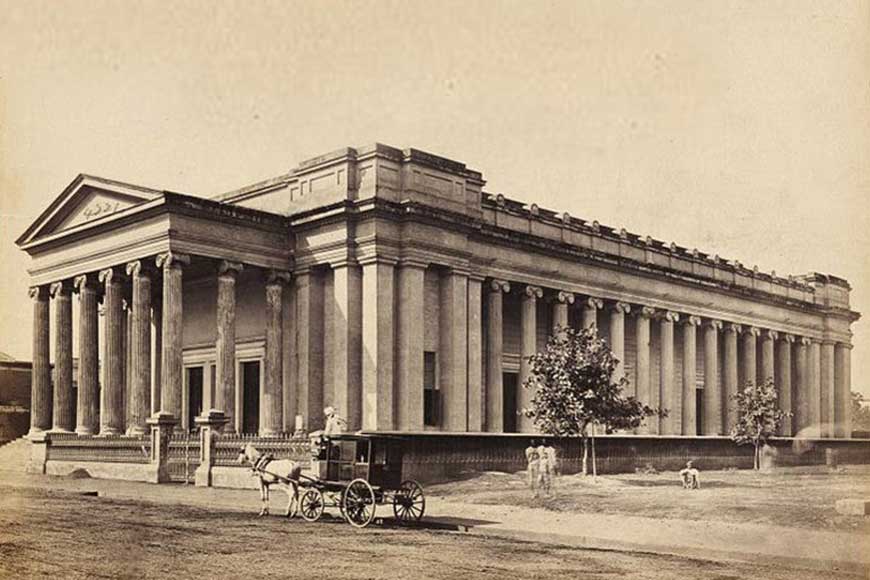
In the historic city of Kolkata, the Hindu College, established in 1817, holds the distinction of being India’s first college to offer modern Western-style education. Founded by progressive thinkers like Raja Ram Mohan Roy, David Hare, and Radhakanta Deb, the institution marked a turning point in the educational landscape of colonial India.
At a time when traditional religious instruction dominated, Hindu College was revolutionary in its adoption of English, science, philosophy, and liberal arts, paving the way for a new generation of educated Indians who would go on to lead social reforms and political movements.
In 1855, the college was renamed Presidency College under the British administration and became affiliated with the newly established University of Calcutta in 1857. It was later granted university status in 2010 and became Presidency University.
Throughout its illustrious history, the college has produced some of India’s most celebrated leaders and intellectuals, including Swami Vivekananda, Ishwar Chandra Vidyasagar, Subhas Chandra Bose, and Bankim Chandra Chattopadhyay.
More than just an institution, Hindu College laid the foundation for modern education in India, and its legacy continues to inspire reform, reason, and renaissance.