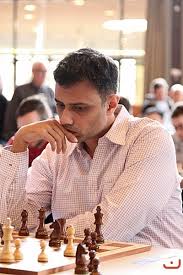
Tejas Bakre is a notable Indian chess player, recognized for his accomplishments in youth chess tournaments, particularly in the late 1990s. His achievements helped him make a name in the Indian chess community.
- Tejas Bakre was born in India and developed an early interest in chess. He was part of a rising wave of Indian chess players who would go on to achieve great success on the national and international stage.
- In 1998, Tejas Bakre made a significant mark in his chess career by winning the first Sub-Junior Chess Championship.
- This win was crucial as it showcased his exceptional skills at a young age, positioning him among the top chess talents in India. The Sub-Junior Chess Championship is a prestigious event that draws the best young chess players from across the country, and Tejas Bakre’s victory at the competition solidified his place in the Indian chess community.
- Youth Chess Milestone: Winning the Sub-Junior Championship in 1998 was an important achievement in Bakre’s early career. It not only brought him recognition but also highlighted his potential to compete at higher levels in the future.
- Indian Chess Development: Bakre’s victory, alongside other young chess players in India, contributed to the broader development of chess in the country. His win helped raise awareness of the talent emerging from India and demonstrated the country’s growing strength in competitive chess.
- Tejas Bakre’s win in the 1998 Sub-Junior Chess Championship remains a key milestone in his career. His success at a young age inspired many upcoming players to pursue chess seriously.
- While he might not have achieved the same level of international recognition as some other Indian grandmasters, Bakre’s contributions to Indian chess during his career are valued for their role in encouraging the next generation of players.
Tejas Bakre’s victory in the 1998 Sub-Junior Chess Championship is a significant milestone in his career and in the history of Indian chess. It marked the beginning of his journey into competitive chess and contributed to the growing chess culture in India during the late 1990s. His success in youth tournaments helped pave the way for the eventual rise of India as a powerhouse in the global chess scene.