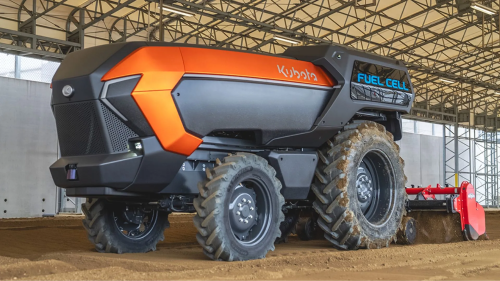
Japan is pushing the boundaries of sustainable agriculture with the launch of the world’s first hydrogen-powered tractor, developed by Kubota. This groundbreaking machine combines zero-emission hydrogen fuel cell technology with advanced remote-control capabilities, offering farmers a cleaner, smarter, and more efficient way to cultivate their fields.
Unlike traditional diesel engines, the hydrogen tractor produces only water as a byproduct, dramatically cutting greenhouse gas emissions and reducing environmental impact. The tractor also addresses the pressing challenge of a shrinking rural workforce in Japan, where the average age of farmers exceeds 67. By integrating automation and remote-control functionality, the machine allows for productive farming even with fewer human operators on the ground.
Hydrogen fuel further boosts efficiency: refueling takes just minutes, compared to hours required for electric charging, making it suitable for large-scale agricultural operations. This combination of speed, sustainability, and automation could redefine how farms operate, both in Japan and globally, as hydrogen infrastructure expands.
Experts see this tractor as a glimpse into the future of eco-friendly agriculture, where clean energy, robotics, and innovative design converge to maintain food production while protecting the environment. More than a machine, it symbolizes Japan’s vision of resilient, low-carbon farming for a rapidly changing world.