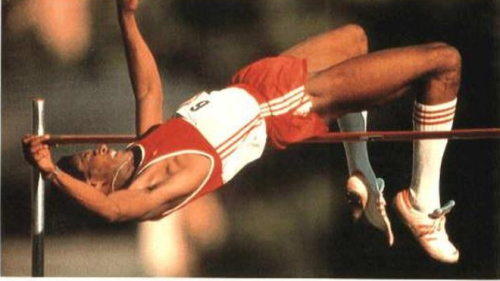
More than three decades have passed, yet Javier Sotomayor’s astonishing 2.45-metre high jump world record, set in 1993, still stands untouched — the longest-surviving world record in men’s track and field. In a rare and deeply insightful interview, the Cuban legend reflects on the psychology, precision, and almost mystical intuition that shaped his extraordinary leap into history.
Sotomayor, known globally as El Soto, speaks about the mental clarity required to attempt the impossible. He recalls moments of complete stillness before each record-breaking jump — a blend of intense focus, confidence, and an almost spiritual connection with the runway. His method was as much art as science: a rhythmic run-up, a carefully calibrated takeoff, and a body that seemed to float over the bar with impossible grace.
Behind the scenes, there was no magic — only relentless discipline. Sotomayor trained obsessively to perfect every angle of his approach. Coaches from the Cuban athletics system engineered a programme that fused biomechanics, plyometrics, and technique refinement. Still, there remains an air of mystery, something even he can’t fully explain — that split-second when the bar, gravity, and instinct align perfectly.
The record jump in Salamanca became a defining moment not just for Cuba, but for the entire world of athletics. Today, as new generations of jumpers chase the 2.40m barrier, Sotomayor’s 2.45m looms like a mountain peak in the distance — visible, inspirational, yet untouched.
Asked whether he believes the record will ever be broken, the champion smiles. “Everything in sport is possible,” he says calmly. “But some moments… they happen only once.”