As the sun set over a small village in Odisha, Prof Arnab observed a scene that left a lasting impression—one home after another went dark, the faint glow of kerosene lamps the only source of light. For the villagers, nightfall meant the end of study, work, and social activity. That quiet moment stayed with him, sparking a determination to bring lasting change.
Disturbed by the lack of reliable electricity in rural India, Prof Arnab returned with a mission: to ensure that darkness would no longer dictate the lives of these communities. Partnering with a team of engineers and students, he began developing an affordable and sustainable energy solution tailored for villages that lack access to consistent power.
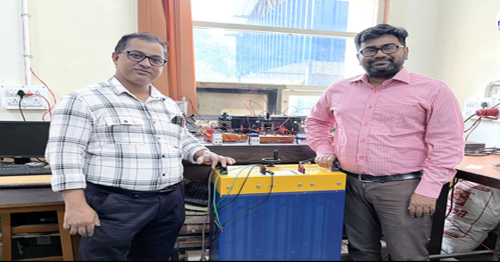
After months of research and experimentation, the team designed a decentralized energy system that is easy to maintain, cost-effective, and environmentally friendly. The system uses local resources and modern technology to provide homes with reliable lighting and small-scale power, enabling children to study after sunset and families to engage in evening activities safely.
Pilot installations across Odisha villages have already shown transformative results. Children now study under steady light, small businesses operate longer, and households are freed from dependence on harmful kerosene lamps. Local communities report improved safety, productivity, and quality of life, illustrating the profound social impact of this innovation.
Prof Arnab’s project is gaining attention from policymakers and social innovation platforms as a model for sustainable rural electrification. What began as a silent observation at dusk has evolved into a scalable solution that could serve millions across India and other power-deficient regions.