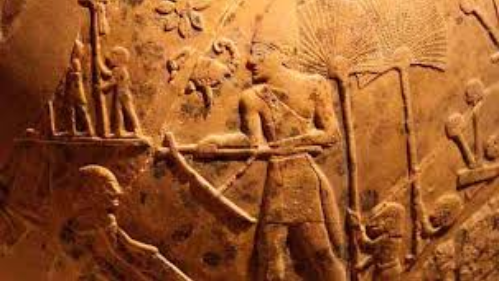
Archaeologists have unveiled remarkable 5,000-year-old carved labels, known as the “Scorpion King” labels, dating back to around 3,200 B.C., shedding new light on the early rulers of Egypt centuries before the pharaohs. These artifacts, discovered in Abydos, one of the oldest cities in ancient Egypt, predate the construction of the pyramids and are among the earliest examples of recorded writing in human history.
The labels, small pieces of ivory and bone inscribed with detailed images and hieroglyphic markings, depict early kings engaged in ceremonial or military activities. One of the most famous shows a king, identified as “Scorpion,” wielding a mace while overseeing agricultural and ritual scenes. These carvings offer a rare glimpse into early Egyptian state formation, ceremonial practices, and governance long before the dynastic pharaohs unified the Nile Valley.
Historians and Egyptologists note that these labels are older than most known writing systems and suggest that organized political and religious structures existed in Egypt far earlier than previously understood. The intricate artwork also reflects highly developed artistic and symbolic skills among early Egyptians, hinting at a culture with complex social hierarchies and emerging literacy.
The discovery of the “Scorpion King” labels has prompted a reevaluation of Egypt’s formative centuries, showing that kingship and administrative control were already established and that the roots of pharaonic civilization extend deeper than traditional historical timelines have indicated.
Today, these ancient labels are preserved and studied in museums and research institutions, standing as tangible evidence of humanity’s early attempts to record history, assert authority, and commemorate rulers. They remind us that the story of Egypt, one of the world’s first great civilizations, began long before the iconic pyramids rose along the Nile.