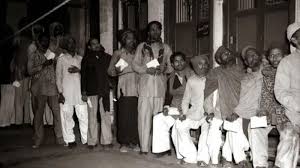
In India’s first general elections after independence in 1951-52, only 44.87% of the electorate participated. A significant portion of the population was unfamiliar with the democratic process, and many had not yet registered to vote.
The country’s infrastructure and communication systems were still developing, making it difficult for rural voters to reach polling stations. A lack of understanding of the importance of elections and how to vote prevented many people from participating.
Despite the relatively low turnout, the 1951-52 elections marked a historic milestone, being India’s first exercise in universal adult suffrage following independence in 1947.
These elections set a crucial precedent for the country’s electoral process and represented an essential step toward strengthening and consolidating India’s democracy.
Over the years, voter turnout has steadily increased, as more citizens became engaged in the electoral process.
Awareness campaigns, improved access to polling stations, and technological advancements like online voter registration have played a significant role in encouraging higher voter participation in subsequent elections.
The 1951-52 general elections saw a relatively low voter turnout of 44.87%, due to challenges such as new voter registration, limited infrastructure, and lack of awareness. However, these elections were a historic event, marking India’s first general elections after independence and laying the groundwork for a robust and expanding democratic process. Over time, voter turnout has steadily increased, driven by greater engagement and improved access to the electoral process.