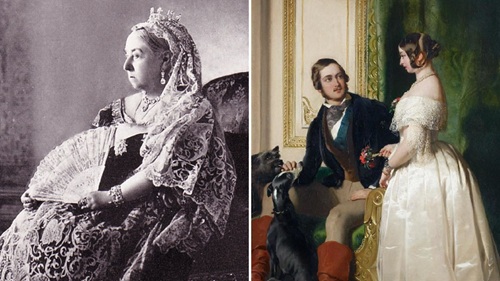
Nearly 200 years after Queen Victoria tied the knot with Prince Albert, slices of her historic wedding cake are still occasionally available — but can you really eat them?
Queen Victoria’s wedding cake, created for her 1840 royal wedding, was an enormous multi-tiered fruitcake, a popular style for the era. Over the years, pieces of the cake were carefully preserved, either sealed in jars or kept in controlled conditions in royal collections and museums. Some of these slices were gifted to royal guests or auctioned for collectors.
While technically edible, food historians and conservation experts advise caution. After nearly two centuries, the cake is extremely dry and fragile, and while it may still be safe to touch or display, consuming it isn’t recommended due to potential contamination and degradation over time. The preserved slices are primarily valued for their historical significance rather than as a culinary treat.
Queen Victoria’s cake remains an enduring symbol of 19th-century royal traditions, and the idea of tasting a piece is more a whimsical curiosity than a practical option. For most people, admiring the cake as a piece of history — and imagining the wedding day it celebrated — is the sweetest way to enjoy it.