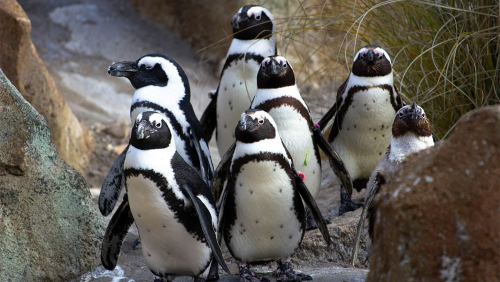
An extraordinary rescue mission on Phillip Island, Victoria, Australia, has successfully saved 20,000 penguins from a devastating oil spill, marking one of the largest wildlife rescue operations in recent history. The mission highlights the dedication of conservationists, volunteers, and local authorities working under extreme conditions to protect vulnerable wildlife.
The crisis began when a tanker incident led to a major oil spill along the island’s coastline, threatening the habitat of thousands of little penguins and other seabirds. Immediate action was taken by wildlife organizations, including the Phillip Island Nature Parks team, who coordinated a rapid response to clean, rehabilitate, and relocate affected birds.
Rescue workers faced hazardous conditions, including slippery, oil-coated rocks and toxic fumes, while carefully capturing and cleaning penguins to prevent further harm. Teams used specialized cleaning solutions and temporary rehabilitation facilities to ensure the birds’ survival before returning them safely to the wild.
“This was a race against time,” said a lead wildlife officer. “Our primary goal was to prevent loss of life and give these penguins a chance to return to their natural habitat.” Volunteers worked around the clock, demonstrating remarkable coordination, skill, and compassion.