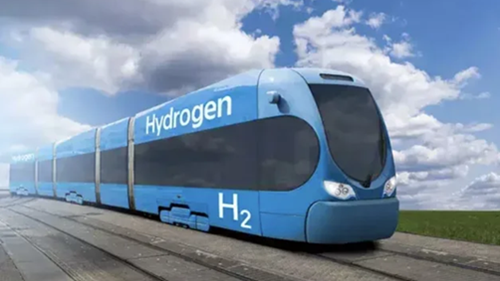
Indian Railways is poised for a major environmental milestone as it prepares to launch trials for the country’s first hydrogen-powered train on the Jind-Sonipat route in Haryana, marking a decisive step in its journey toward net-zero carbon emissions by 2030.
The pioneering train, developed indigenously by the Integral Coach Factory (ICF) in Chennai, is a Diesel Electric Multiple Unit (DEMU) retrofitted with cutting-edge hydrogen fuel cell technology. Unlike traditional locomotives, this new train emits only water vapour and heat, eliminating carbon emissions from its operation.
Designed for high performance on India’s broad-gauge network, the hydrogen train boasts several impressive features: it can reach speeds of up to 110–140 km/h, carry more than 2,600 passengers, and is powered by a 1,200 HP hydrogen fuel cell system, making it one of the most powerful of its kind globally. This trailblazing initiative is part of the “Hydrogen for Heritage” programme, under which Indian Railways plans to deploy 35 hydrogen-powered trains across scenic and heritage routes such as the Kalka-Shimla, Darjeeling Himalayan, Nilgiri Mountain and Matheran Hill railways — helping preserve pristine environments while showcasing homegrown technology.
Hydrogen for the Haryana service will be produced locally using a 1-megawatt Polymer Electrolyte Membrane (PEM) electrolyser, with dedicated hydrogen refuelling infrastructure including storage and compressor systems erected in Jind. As the first prototype nears final testing and early 2025 trials, India joins a select group of nations pushing the frontier in green rail mobility, reflecting its commitment to cleaner, sustainable transportation solutions for the future.