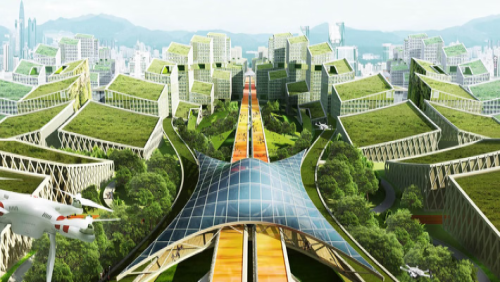
In many modern cities, the endless stretch of concrete has become an inevitable part of daily life. But China has demonstrated how even the dullest grey infrastructure can be transformed into vibrant, living corridors of green. In a sweeping move to improve urban aesthetics and environmental health, several Chinese cities have begun covering concrete highways, flyovers, and underpasses with dense layers of plants and greenery.
Leading metropolises such as Shanghai, Shenzhen, and Chengdu have taken the initiative to integrate nature directly into their transportation networks. Lush vertical gardens now climb the pillars of elevated roads, cascading vines soften the edges of flyovers, and green belts run parallel to highways once known only for their monotony.
Experts say this approach brings multiple long-term benefits. The vegetation helps reduce air pollution, naturally filtering harmful particles from the atmosphere. It also lowers heat absorption, countering the urban heat island effect that plagues mega-cities. Noise levels drop significantly as the plants act as natural sound barriers. And perhaps most importantly, greenery brings a sense of calm, boosting the mental well-being of residents navigating busy urban environments every day.
While these green installations require higher maintenance costs and careful seasonal monitoring, Chinese planners argue that the environmental and psychological advantages far outweigh the investment. Citizens too have responded positively, celebrating the refreshing shift from grey to green.