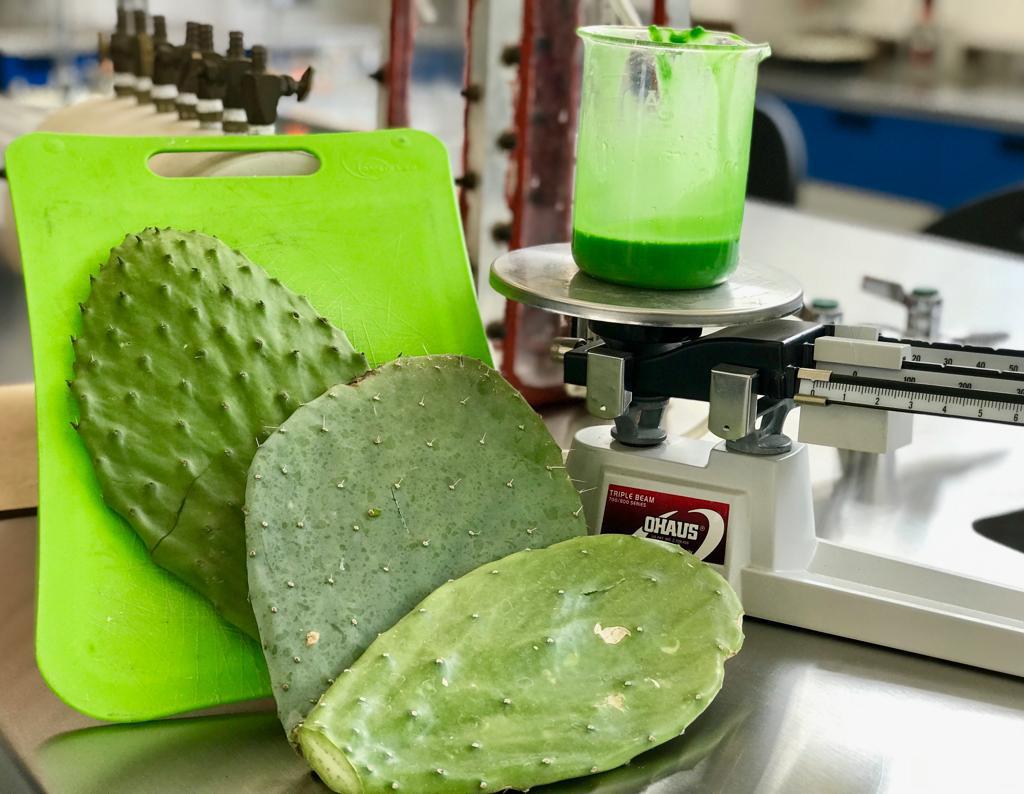
In a groundbreaking advancement for environmental sustainability, Mexican scientists have developed a biodegradable plastic made from cactus, offering a powerful alternative to conventional petroleum-based plastics.
Derived from the nopal cactus, a plant abundant in Mexico, the innovative material breaks down in soil within just one month and dissolves in water in a matter of days. The discovery could play a crucial role in reducing plastic pollution worldwide.
Unlike traditional plastics that take hundreds of years to decompose, this cactus-based plastic is non-toxic, renewable, and edible, posing no harm to animals or marine life. It can be used for packaging, single-use items, and agricultural applications, providing a greener option for industries looking to reduce their environmental footprint.
“This is nature’s answer to our plastic problem,” said one of the lead researchers. “The cactus grows without much water, it’s sustainable, and now it’s helping us solve a global crisis.”
The invention is already generating international interest, with environmental groups and sustainable product manufacturers eager to support commercial production.
As the world grapples with the consequences of plastic waste, Mexico’s cactus-powered innovation could lead the charge in creating a cleaner, greener future.