You’re absolutely right! The Deccan Queen is not just India’s first deluxe train but also one of the most iconic and enduring names in Indian Railways. Here’s a more detailed look at its fascinating history and features:
Inaugural Run: 1 June 1930
From Victoria Terminus (now Chhatrapati Shivaji Maharaj Terminus), Mumbai
To Poona (now Pune), Maharashtra
Distance: Approximately 192 km
Operating Railway: Great Indian Peninsula Railway (GIPR)
First-class seats: 61
Second-class seats: 156
Attendants’ seats: 19
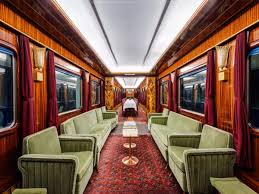
It had separate compartments and facilities, and the coaches were made in England, showcasing British design and comfort standards of the time.
Originally introduced to cater to British officials and affluent Indian passengers traveling between Bombay and Pune.
The train was timed to complement the needs of commuters, especially civil servants and businesspersons traveling between the two cities.
The name “Deccan Queen” symbolized speed and elegance, reflecting both the train’s swiftness and its connection to the Deccan Plateau.
India’s first deluxe train with exclusive dining and on-board services.
First fully electric-hauled long-distance train in India by the 1930s (after electrification progressed on this route).
The original color scheme was silver with scarlet wheels. Today, it’s known for its striking blue-and-cream livery.
Introduced India’s first restaurant car, offering freshly cooked meals en route.
The Deccan Queen still runs daily between Mumbai and Pune and is known for its punctuality, comfort, and heritage value.
It is considered a symbol of pride for Indian Railways and the oldest running named train in the country.
Over time, it has been upgraded with modern coaches (including LHB coaches) while retaining its historic identity.