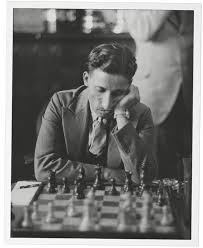
Mir Sultan Khan (1905–1966) was a legendary chess player who achieved remarkable feats in the world of chess during the early 20th century. His story is often seen as one of the most fascinating chapters in chess history, as he rose from humble beginnings to become one of the world’s top players.
- Birth: Mir Sultan Khan was born in 1905 in Mittha, a village in Punjab (now in Pakistan). He belonged to a family with little connection to the world of chess, and his early education was limited. Sultan Khan’s rise to chess prominence is one of the most extraordinary in the sport’s history.
- In 1928, Mir Sultan Khan won the All-India Chess Championship with a remarkable score of 8.5 out of 9 points, showcasing his exceptional talent early in his career.
- Sultan Khan’s talent did not go unnoticed, and he soon gained recognition on the global chess stage.
- He won the British Chess Championship three times: in 1929, 1932, and 1933. His victories in this prestigious tournament were a testament to his skill and determination.
- One of Sultan Khan’s most significant achievements was his victory over the reigning World Chess Champion, José Raúl Capablanca of Cuba. The game occurred at the Hastings Tournament in 1930, where Sultan Khan famously defeated Capablanca in a dramatic match, cementing his place in chess history. This victory demonstrated his ability to compete with the best players in the world.
- At the height of his career, Mir Sultan Khan was regarded as one of the top ten players in the world. His ability to compete against the world’s elite, including the likes of Capablanca, was a testament to his extraordinary talent.
- Sultan Khan’s playing style was characterized by deep positional understanding, tactical brilliance, and strategic planning. Despite his lack of formal training and being somewhat isolated from the chess elite due to his background, he was able to play at the highest levels.
- His understanding of the game was ahead of his time, and he had a deep intuition for complex positions. His endgame skills were particularly admired by chess analysts.
- Sultan Khan’s legacy is one of a self-taught chess genius who overcame considerable barriers to reach the top of the game. At a time when Elo ratings did not exist, it is difficult to assess exactly how high he ranked globally, but it is clear that he was highly regarded by his contemporaries.
- His success in British chess tournaments made him a pioneer for Indian and Pakistani chess, and he remains one of the most celebrated figures in South Asian chess history.
- Sultan Khan’s story also demonstrates the influence of natural talent and passion for the game, as he had little formal training yet succeeded in some of the toughest chess tournaments of his time.
- Mir Sultan Khan was widely respected in the international chess community, and his achievements helped raise the profile of chess in South Asia.
- Despite not receiving the same level of fame as some of his European or Soviet contemporaries, Sultan Khan’s victories, particularly against top players like Capablanca, have ensured his place in chess history as one of the greats.
Mir Sultan Khan’s story is one of determination, exceptional talent, and achievement in the face of adversity. His victories against world champions and his dominance in British chess tournaments made him one of the most remarkable and respected chess players of his era, and his legacy continues to inspire chess enthusiasts worldwide.