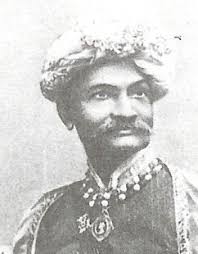
Gyanendramohan Tagore became the first Indian to pass the barrister-at-law examination at Lincoln’s Inn in England on 21 June 1862.
Lincoln’s Inn is one of the four Inns of Court in London, renowned for producing leading legal professionals. Tagore’s success was a milestone for Indians in the legal field. Enrolled as a barrister in the Calcutta High Court in November 1865, becoming the first Indian to achieve this distinction in the Bengal Presidency.
His enrollment marked the start of a distinguished legal career and established him as an influential figure in British India’s legal community. Tagore’s achievement was significant not just personally but for its broader impact on the Indian legal profession.
At a time when Indians were excluded from high positions in the colonial administration, his success signaled new opportunities for educated Indians. His achievement paved the way for future Indian legal professionals. His entry into law coincided with a period of increasing social and political reform in India, contributing to the broader movement challenging colonial structures.
His success reflected the growing influence of the Indian educated elite, especially in Bengal, which was at the forefront of reform movements in the 19th century. Beyond his legal career, Tagore’s success symbolized the educational and social progress of Indians during the colonial era. His role in the legal system set a precedent for future Indian legal professionals, many of whom played significant roles in India’s post-independence judicial system.
Gyanendramohan Tagore’s accomplishments as the first Indian to pass the barrister-at-law exam from Lincoln’s Inn and be enrolled as a barrister in the Calcutta High Court were landmark events in Indian legal history. He played a crucial role in advancing Indian participation in professional fields and contributed to the development of a more inclusive legal system in India.