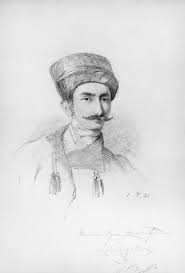
Manockjee Rustomjee made history by becoming the first Indian to be appointed as the Sheriff of Calcutta in 1873. This prestigious office had traditionally been held by Europeans during the colonial period.
His appointment represented a significant moment in Indian history, marking the increasing involvement of Indians in public and administrative roles under British colonial rule.
The Sheriff of Calcutta was a largely ceremonial position, tasked with overseeing the administration of justice and maintaining law and order in the city. Although symbolic, it held considerable prestige in colonial society.
Rustomjee’s appointment to this role reflected the shifting dynamics of colonial India, where Indians were beginning to occupy influential positions of authority despite British dominance in governance.
Manockjee Rustomjee was a successful businessman deeply involved in various commercial and legal ventures. His expertise in the judiciary further cemented his qualifications for the prestigious role of Sheriff.
He was a prominent figure in the Parsi community, and his appointment was an important achievement for Parsis in gaining recognition and influence in the social and political spheres of colonial India.
Rustomjee’s appointment as Sheriff marked an important step towards Indian participation in positions of authority within the British colonial administration.
It was a symbolic victory, reflecting the gradual empowerment of Indian communities in gaining a foothold in public life, even though the British controlled much of the administrative machinery at the time.
Manockjee Rustomjee’s tenure as Sheriff is remembered as a milestone for the Parsi community and for Indians in general, symbolizing their gradual progress and representation in colonial governance.
His achievement inspired future generations of Indians to seek out and attain leadership roles in government and public service, paving the way for greater Indian empowerment.
Manockjee Rustomjee’s appointment as the first Indian Sheriff of Calcutta in 1873 remains an important chapter in India’s struggle for representation in colonial governance. It highlighted the growing recognition of Indian talent and capabilities and marked the beginning of greater Indian involvement in positions of influence under British rule.