The first presidential election in independent India was held in 1952. This election was pivotal as it marked the beginning of the country’s democratic process for selecting its head of state, post-independence.
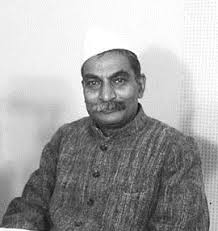
Dr. Rajendra Prasad, a prominent leader and freedom fighter, was the only candidate in the election and was elected unanimously. This unopposed election reflected his stature and popularity among the people of India, as well as the political establishment.
The election took place in 1952, with Dr. Rajendra Prasad becoming the first President of the Republic of India on 15th August 1950, just after the country became a republic on January 26, 1950, replacing the British monarch with the office of the President.
Dr. Rajendra Prasad served as President from 1950 to 1962, making him the longest-serving President in the history of India, with a total of two terms. He was re-elected in 1957 without opposition, underscoring his widespread admiration and support.
Dr. Prasad played a key role in the Indian independence movement and later in the framing of India’s Constitution. His leadership as the first President helped shape the office and its responsibilities.
Dr. Prasad holds the distinction of being the only President to have served two consecutive terms, and his tenure was marked by simplicity, humility, and a commitment to the democratic values of the Indian Republic.
Dr. Sarvepalli Radhakrishnan, an eminent philosopher, scholar, and educator, succeeded Dr. Rajendra Prasad as the second President of India in 1962.
Dr. Radhakrishnan was elected in 1962, after Dr. Rajendra Prasad completed his second term. Unlike Dr. Prasad’s unanimous election, Dr. Radhakrishnan faced competition in his election. He was elected as President by a larger political process.
Dr. Radhakrishnan was a distinguished philosopher and academician before entering politics. He served as the Vice President of India from 1952 to 1962, before becoming President.
Dr. Radhakrishnan served as President from 1962 to 1967. He was known for his intellectual brilliance, diplomatic finesse, and commitment to education. His presidency helped to shape the role of the President into a more ceremonial and unifying figure.
Dr. Radhakrishnan was highly regarded as a scholar and philosopher, and his presidency was marked by his advocacy for education and the integration of spiritual and intellectual thought into national governance.
His birthday, 5th September, is celebrated as Teacher’s Day in India, honoring his immense contributions to the field of education.
Apart from his leadership in India, Dr. Radhakrishnan was also recognized globally for his work in philosophy and education, being appointed as the Indian ambassador to the Soviet Union before becoming President.
The first presidential election took place, with Dr. Rajendra Prasad elected unopposed as the first President of India.
Dr. Rajendra Prasad served as the first President, completing two terms.
Dr. Sarvepalli Radhakrishnan was elected as the second President of India, succeeding Dr. Rajendra Prasad.
Dr. Radhakrishnan served as President until 1967, contributing significantly to the cultural and intellectual development of India.
Both Dr. Rajendra Prasad and Dr. Sarvepalli Radhakrishnan were not only distinguished figures in Indian history but also integral in shaping the role of the President as a unifying and dignified figure in the Indian Republic.