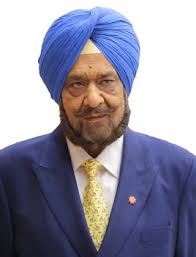
Raja Randhir Singh, a prominent figure in Indian sports, was honored with an honorary doctorate by the Lakshmibai Institute of Physical Education in Gwalior, Madhya Pradesh, on 8 September 2000. This recognition was a testament to his remarkable contributions to Indian sports, particularly in the field of shooting.
Raja Randhir Singh represented India in six consecutive Olympic Games, an extraordinary feat that underscores his enduring skill and dedication to the sport:
- Tokyo 1964: His Olympic journey began in Tokyo, marking the start of an illustrious international career.
- Mexico City 1968: He continued to represent India, showcasing his consistent performance on the global stage.
- Munich 1972: Participating in his third Olympics, Raja Randhir Singh solidified his reputation as a top shooter.
- Montreal 1976: His fourth appearance further demonstrated his longevity and commitment to the sport.
- Moscow 1980: Despite the political tensions and boycotts surrounding the Moscow Games, he remained a steadfast representative of Indian shooting.
- Los Angeles 1984: His sixth and final Olympic appearance capped off a remarkable Olympic career.
- Administrative Roles: Raja Randhir Singh’s contributions extended beyond his athletic career. He served in various administrative capacities, promoting sports development in India.
- Indian Olympic Association (IOA): He played a significant role in the Indian Olympic Association, serving as its Secretary General for several years, where he worked to enhance the profile and support for Indian athletes.
- Olympic Council of Asia (OCA): Raja Randhir Singh was also a prominent figure in the Olympic Council of Asia, serving as its Secretary General and contributing to the growth of sports in the Asian region.
- International Olympic Committee (IOC): He was a member of the International Olympic Committee, where he contributed to global sports governance.
Raja Randhir Singh’s legacy is multifaceted. As a shooter, he brought distinction to India through his Olympic appearances and competitive achievements. His administrative roles furthered the development of sports in India and Asia, making him a respected figure in the global sports community. His honorary doctorate from the Lakshmibai Institute of Physical Education is a reflection of his enduring impact on Indian sports, both as an athlete and a leader.