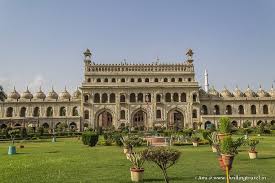
The Bhul-bhulaiya, also known as the Labyrinth or Maze, is a fascinating architectural feature located in the Bara Imambara complex in Lucknow, Uttar Pradesh. The Bara Imambara itself is a monumental structure and an important symbol of Mughal architecture, built in the 18th century by the Nawab of Awadh, Asaf-ud-Daula. The Bhul-bhulaiya, one of the most intriguing parts of the Bara Imambara, has become a key attraction for visitors.
- The Bara Imambara complex was constructed between 1784 and 1791 as a grand Imambara (a building for Shia Muslim congregational worship) and as part of a larger project initiated by Nawab Asaf-ud-Daula to provide employment to the famine-stricken people of Awadh.
- The Bhul-bhulaiya is located on the top terrace of the Bara Imambara, which is known for its architectural brilliance and historical significance.
- It is a maze of over 1,000 interconnected passages that are designed to confuse and disorient visitors. The passages are narrow, winding, and sometimes unexpectedly dead-ended, creating a disorienting effect for those who attempt to navigate it. Despite the complex design, those who manage to figure out the maze are rewarded with a clear path that leads them out.
- The maze was strategically designed to reduce the load on the walls of the building while supporting the massive roof of the Bara Imambara. The roof is an engineering marvel in itself, with a thickness of about 4.88 meters (16 feet) and an estimated weight of around 20,000 tonnes.
- To achieve this, the engineers created the labyrinthine structure as a hollow space within the building that could support the weight of the roof without putting excessive pressure on the walls. This clever design helped in distributing the load of the roof more evenly.
- The Bhul-bhulaiya is believed to have had multiple purposes. Apart from serving as an architectural marvel, it also served a defensive purpose. The maze could have been used to confuse enemies during times of war, making it difficult for intruders to enter the building or locate important areas within the complex.
- Additionally, the labyrinth could have functioned as a space for spiritual reflection, providing a space for pilgrims or worshippers to contemplate and meditate while navigating the maze. The complexity and confusion of the maze might have symbolized the journey of life or the pursuit of truth and knowledge.
- The Bhul-bhulaiya consists of an intricate network of small and narrow staircases, corridors, and passages. The design is deliberately complex and confusing, with hidden turns and seemingly endless corridors that seem to lead nowhere.
- One of the most interesting features of the Bhul-bhulaiya is the echo phenomenon. Because of the unique design and acoustics of the maze, voices can travel through the passages and echo loudly, creating an eerie sound effect. This feature adds to the maze’s mystique and charm.
- The top terrace of the maze offers panoramic views of Lucknow and the Bara Imambara complex, making it a popular spot for visitors to enjoy the surroundings after exploring the labyrinth.
- The Bara Imambara, including the Bhul-bhulaiya, is not only an architectural wonder but also an important part of the cultural heritage of Lucknow. It reflects the grandeur and glory of the Awadhi Sultanate and its legacy in art, architecture, and engineering.
- The Bhul-bhulaiya has become a famous tourist attraction in Lucknow, drawing people from around the world who are fascinated by the mystery and complexity of the labyrinth, as well as its connection to the royal history of the region.
- Apart from the Bhul-bhulaiya, the Bara Imambara also features a large step-well, known as the Bowli or Baoli. This step-well is a magnificent example of traditional Indian water architecture and is used to store water in the summer months.
- The Bhul-bhulaiya has become a popular landmark for tourists in Lucknow. Visitors are encouraged to walk through the passages to experience the mysterious labyrinth, but it is recommended to do so with a guide to avoid getting lost.
- As visitors navigate the maze, the disorienting passages and the occasional dead-end add to the sense of mystery and fun, making the experience of exploring the Bhul-bhulaiya both exciting and intriguing.
The Bhul-bhulaiya in the Bara Imambara is an extraordinary example of architectural ingenuity, combining form and function in a way that allows it to support the building’s massive weight while creating a mysterious and engaging maze. Its intricate design, echo effects, and panoramic views make it a fascinating destination for visitors and an important symbol of Lucknow’s rich cultural heritage.