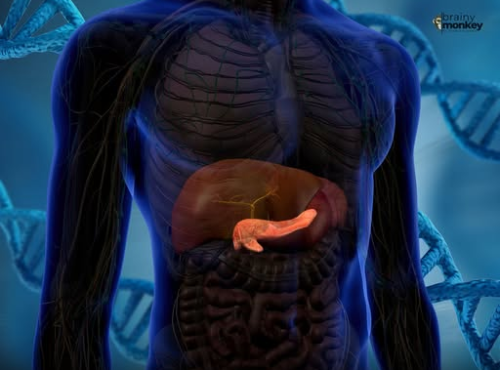
In what researchers are calling a historic leap for medical science, doctors in the United States have successfully enabled a man with diabetes to produce his own insulin naturally—for the first time in medical history. The breakthrough, reported in 2025 by scientific journals, could transform treatment for millions of people worldwide who depend on daily insulin injections.
The medical team achieved this milestone by gene-editing pancreatic cells to restore their ability to sense glucose and release insulin. These modified cells were then transplanted into the patient, who soon demonstrated stable blood sugar regulation without relying solely on external insulin.
Early reports say the patient’s glucose levels began responding normally, mirroring the function of a healthy pancreas. Doctors monitoring the case described the progress as “beyond promising” and potentially “the dawn of a new therapeutic era for diabetes.”
This groundbreaking achievement opens the door to a future where long-term diabetes management may shift away from injections and pumps toward regenerative cell-based therapies. While more trials and long-term data are needed, experts believe this innovation could one day serve as a functional cure for many patients.
For millions living with Type 1 and advanced Type 2 diabetes, this development represents hope—perhaps the greatest in decades—that science may finally be closing in on a lasting solution.