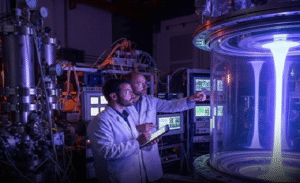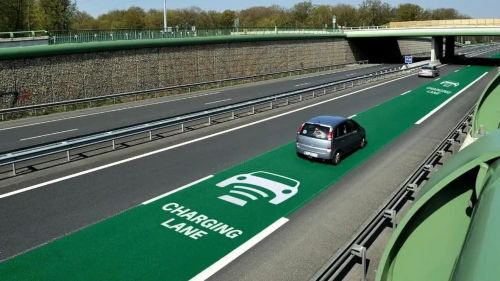
The United States has marked a groundbreaking technological milestone with the inauguration of the nation’s first public road that can wirelessly charge electric vehicles (EVs) as they move or remain parked. The revolutionary project, unveiled in Detroit, Michigan, represents a massive leap forward in the global transition toward smart mobility and sustainable transportation.
Stretching nearly a mile through the heart of Detroit’s bustling innovation district, the road is embedded with next-generation inductive charging coils beneath the asphalt. As an EV equipped with a compatible receiver drives over the roadway, electric energy is transferred wirelessly from the coils to the vehicle’s battery—eliminating the need for plug-in charging stations.
Officials describe this as a transformative moment for American infrastructure. The project was a collaboration between the Michigan Department of Transportation, leading EV technology firms, and several academic research institutions striving to improve transportation efficiency and reduce environmental impact.
Engineers behind the initiative say the system can deliver varying levels of power depending on the vehicle’s speed. Cars traveling slowly—such as those caught in traffic—receive moderate charging, while parked vehicles can charge at higher efficiency levels. Demonstrations conducted during the launch event showed EVs maintaining battery levels even during continuous loops around the road.
City planners believe this innovation could reduce “range anxiety,” one of the main barriers preventing many drivers from switching to electric vehicles. If expanded across the country, such technology could allow EVs to travel vast distances without stopping for traditional recharging.
Residents and local business owners have welcomed the project, noting that it reflects Detroit’s long-standing identity as a hub of automotive innovation. Environmental experts are equally optimistic, calling the development a “glimpse into the future of green mobility.”
While the project remains in its pilot phase, researchers are already working on enhancements, including longer charging corridors and compatibility with commercial freight vehicles. If successful, the model is expected to be replicated in multiple U.S. cities within the next decade.