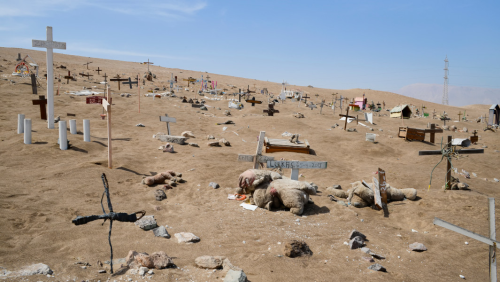
Archaeologists in Saqqara, Egypt, have uncovered a remarkable 2,000-year-old animal cemetery, shedding new light on the emotional, religious, and cultural bonds between ancient Egyptians and their animals. The discovery has been described by researchers as both scientifically significant and deeply moving, offering rare insight into how animals were cherished in antiquity.
The burial site, dating back to the Ptolemaic and early Roman periods, contains the remains of dozens of animals carefully laid to rest. Excavations revealed cats, dogs, birds, and other animals placed in individual graves, some wrapped in linen and others accompanied by small offerings. The care taken in their burial suggests these were not ritual sacrifices, but beloved companions.
Experts believe the cemetery represents one of the earliest known examples of pet burial practices, indicating that animals held emotional value beyond their symbolic or religious roles. Unlike mass animal mummification sites linked to temple rituals, this cemetery shows signs of personal attachment, mourning, and remembrance.
Archaeologists also discovered inscriptions, pottery fragments, and simple grave markers, further supporting the idea that owners intentionally commemorated their animals. The findings challenge long-held assumptions that ancient Egyptians viewed animals only as gods, symbols, or commodities. Instead, the site reveals a society capable of empathy and companionship across species.
Saqqara, already famous for its pyramids and burial complexes, continues to surprise researchers with discoveries that humanize ancient history. Officials from Egypt’s Ministry of Tourism and Antiquities said the site will be carefully preserved and studied, with plans to include it in future public exhibitions.