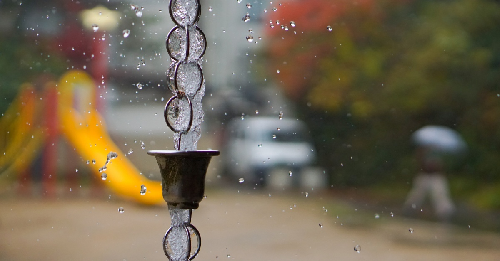
They sway like wind chimes and sparkle in the rain—but these elegant metal links do more than just beautify your home. Known as Japanese rain chains, or kusari-doi, these age-old marvels are now being embraced in Kerala as a stunning and sustainable alternative to traditional rainwater pipes.
While they may look purely decorative, rain chains are functional tools for harvesting rainwater. Suspended from rooftops, they guide rainwater gracefully down from the eaves, often into collection tanks or garden beds—cup by cup, drop by drop.
Visitors to Kerala during the monsoon season might spot these beautiful chains outside heritage homes, eco-resorts, and increasingly, urban rooftops. But beyond their serene appearance lies a clever design rooted in both culture and climate-conscious living.
While conventional rainwater pipes have long been the go-to for drainage, they come with their own set of problems:
- Clogged with leaves and debris
- Moss and mold buildup
- Difficult to clean and maintain
- Risk of leaks damaging interior walls
Rain chains, by contrast, are low-maintenance, clog-resistant, and aesthetically pleasing. They not only prevent water buildup but also turn every rainfall into a visual and auditory delight—a cascading stream of silver during a downpour.
With climate change sparking a renewed interest in water conservation, many Keralites are turning back to traditional yet innovative methods to manage water efficiently. Rain chains are proving to be both eco-friendly and effective, blending seamlessly with Kerala’s monsoon lifestyle and architectural aesthetic.
Architects and sustainability advocates are now recommending rain chains for urban and rural homes alike, especially those looking to combine design, durability, and ecological responsibility.
So next time you see what looks like wind chimes dancing in the rain, remember—they might just be quietly saving water, one drop at a time.