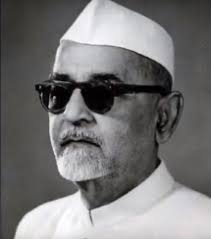
Dr. Zakir Husain was the first President of India to die while in office. He passed away on May 3, 1969, during his term as the third President of India.
Birth: Dr. Zakir Husain was born on February 8, 1897, in Hyderabad, India, into a well-educated family of intellectuals.
Education: He completed his education in India and then went to Berlin for higher studies, where he developed a deep interest in philosophy, education, and literature. He was also proficient in multiple languages, including Arabic, Persian, and English.
Contributions to Education: Dr. Husain was a prominent educator and scholar. He was one of the founding members of Jamia Millia Islamia, a prestigious university in Delhi, where he played an important role in its development and served as its Vice Chancellor.
He was deeply involved in the Indian independence movement, though his primary contributions were in the fields of education and social reform.
Dr. Husain was appointed as Vice President of India in 1957. He served as Vice President until he became the President in 1967.
President of India: Dr. Zakir Husain became the third President of India on May 13, 1967, after succeeding Dr. Sarvepalli Radhakrishnan.
Death in Office: Dr. Husain died on May 3, 1969, while still in office. He passed away due to a heart attack. His death was a tragic event in India’s political history.
First to Die in Office: Dr. Husain was the first Indian President to die while holding the office. His death occurred just a few months after the general elections of 1967 and created a constitutional gap.
Aftermath: Following his sudden death, V. V. Giri, who was the Vice President of India at the time, assumed the role of acting President until the formal election of a new President took place.
Educational Vision: Dr. Zakir Husain was highly regarded for his vision of education and his efforts to make quality education accessible to all sections of Indian society, especially the marginalized communities.
Commitment to Secularism: He was a strong proponent of secularism and national integration, believing in unity amidst India’s diverse cultures and religions. His presidency, though short, symbolized these values.
Cultural and Literary Contributions: Apart from his role in education and politics, Dr. Zakir Husain was known for his literary contributions, particularly his work in Arabic and Persian literature. He was a person of great cultural sensitivity and a strong promoter of Indian intellectual heritage.
Dr. Zakir Husain holds the distinction of being the first President of India to die while in office. His untimely death in 1969 marked a significant event in Indian political history. As the third President of India, his contributions to education, secularism, and national integration are remembered fondly. His sudden demise led to the appointment of V. V. Giri as the acting President, and Dr. Husain remains an iconic figure in India’s post-independence era.