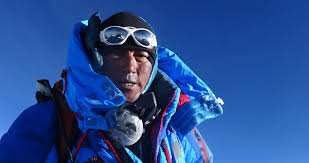
Sherpa Ang Dorjee is often credited as the first person to reach the summit of Mount Everest without supplemental oxygen, although there is some debate over the exact circumstances surrounding this achievement. His ascent was a remarkable feat of endurance and strength, and it played a significant role in the history of Mount Everest expeditions.
Birth: Sherpa Ang Dorjee was born in the Khumbu region of Nepal, which is home to many famous Sherpas who have contributed to the history of Himalayan mountaineering.
Mount Everest Ascent: On May 22, 1965, Ang Dorjee reached the summit of Mount Everest (8,848 meters / 29,029 feet) without the use of supplemental oxygen, a feat that was highly significant at the time.
Climbing Without Oxygen: At the time, climbing Everest without supplemental oxygen was considered extremely dangerous and only a few mountaineers had dared to attempt it. Oxygen was essential for high-altitude climbs because the oxygen content in the atmosphere at such altitudes is much lower than at sea level.
Historic Feat: While there were other ascents made before and after, Ang Dorjee’s ascent marked an important milestone in high-altitude climbing and Sherpa contributions to mountaineering history.
Role of Sherpas: Sherpas, the ethnic group native to the Himalayas, are renowned for their ability to withstand the harsh conditions of high-altitude environments. They play a vital role in mountaineering expeditions, often assisting in guiding and carrying supplies.
Ang Dorjee’s Legacy: Sherpas like Ang Dorjee have been essential to the success of numerous expeditions on Mount Everest. While many Sherpas have reached the summit over the years, Ang Dorjee’s achievement was one of the early milestones in climbing history, demonstrating the immense physical and mental toughness required for such an endeavor.
Sherpa Ang Dorjee is recognized for being one of the first people to summit Mount Everest without oxygen in 1965. This feat contributed significantly to the history of Everest climbs and showcased the strength and resilience of the Sherpa community in high-altitude mountaineering. His achievement remains an inspiring part of Himalayan exploration and the legacy of Sherpa mountaineers who have helped countless climbers summit the world’s highest peak.