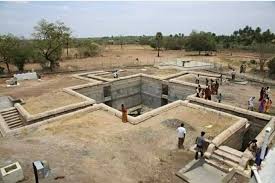
The 1,200-year-old well at Thiruvellarai, located near Manachanallur in Tiruchirappalli District, Tamil Nadu, is a remarkable example of ancient hydraulic engineering and cultural symbolism. This well, which dates back to around 800 CE, was originally constructed during the reign of the Pallava ruler Dantivarman and later developed into its distinctive swastika shape by Alambakathu Vijayanallulan Thambi Kamban Arayan.
- The well is unique in that it is shaped like a swastika, a symbol that holds deep significance in many ancient cultures, particularly in Indian traditions where it represents prosperity, auspiciousness, and good fortune.
- The well is constructed with steps on all four sides, allowing access to water even during times of low water levels. This step-well design reflects the engineering techniques of the time and the importance of water management in ancient India.
- The well was originally dug by the Pallava ruler Dantivarman around 800 CE, during the early medieval period when the Pallava dynasty was at its zenith. The Pallavas were known for their architectural innovations, and this well stands as a testament to their engineering skills.
- Alambakathu Vijayanallulan Thambi Kamban Arayan, a later figure, is credited with developing and constructing the well into its present swastika form. This suggests that the well underwent modifications and improvements over time, possibly to enhance its functionality or to incorporate symbolic elements.
- The swastika is an ancient symbol in Indian culture, representing eternity, prosperity, and cosmic order. Its use in the design of the well may indicate the significance of water as a life-sustaining force and its connection to the divine.
- The inclusion of the swastika shape may also reflect the cultural and religious beliefs of the time, particularly those associated with Hinduism and Buddhism, where the swastika is commonly used as a sacred and auspicious symbol.
- The well’s step-well design is an impressive feat of ancient engineering, ensuring that the water remains accessible throughout the year, even during dry spells.
- The fact that the well was designed to be shaped like a swastika suggests a careful blend of functionality and aesthetic design, showcasing the advanced planning and symbolic artistry of the Pallava and subsequent rulers.
- This well at Thiruvellarai represents a unique fusion of engineering, architecture, and religious symbolism. The well is not just a functional structure for water storage, but also a symbol of the cultural and spiritual life in ancient Tamil Nadu.
- The historical layers of the well, from the Pallava period to its later development by Alambakathu Vijayanallulan Thambi Kamban Arayan, reflect the continuity and evolution of water management practices and architectural styles over centuries.
- Today, the well stands as an important cultural and historical landmark in Tamil Nadu, providing insight into the advanced engineering skills of the Pallava dynasty and their successors.
- Its distinctive swastika shape continues to make it an object of fascination for both historians and visitors, as it highlights the blend of aesthetic design and practical function that characterized ancient Indian architecture.