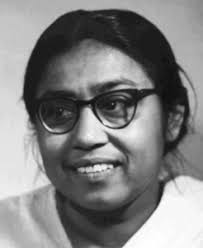
- Birth: Sucheta Kripalani was born on 25 June 1908 in Ambala, Punjab (now in Haryana).
- Involvement in the Freedom Struggle: She was a prominent figure in the Indian independence movement and closely associated with Mahatma Gandhi.
- She was actively involved in the Quit India Movement of 1942 and participated in mass protests against British rule, playing a crucial role in mobilizing people for India’s freedom struggle.
- Member of the Constituent Assembly: Sucheta Kripalani was elected to the Constituent Assembly of India, where she contributed to the drafting of the Indian Constitution.
- Symbolic Contribution: She is most remembered for singing Vande Mataram during the first session of the Constituent Assembly in 1946, a powerful moment that symbolized her commitment to the nation and the independence movement.
- Historic Appointment: In 1963, Sucheta Kripalani became the Chief Minister of Uttar Pradesh, which is India’s most populous state, making her the first woman to hold the position of Chief Minister in any Indian state.
- Challenges: Her tenure (1963-1967) was marked by several challenges, including:
- Labor strikes: Kripalani had to handle significant unrest in the state’s labor sector.
- Food Crisis: Uttar Pradesh faced a severe food crisis during her leadership, and Kripalani’s administration worked to tackle this emergency with decisive steps.
- Leadership Skills: She displayed exceptional leadership by using her negotiation skills to resolve conflicts, maintaining political stability in the state.
- Women’s Empowerment: As a Congress leader, Kripalani worked to uplift women’s rights and improve their position in society.
- Education: She prioritized education, particularly for girls, to ensure better access to knowledge and opportunities for the younger generations.
- Rural Development: Her administration worked to improve the conditions of rural areas, focusing on agricultural reforms and rural development initiatives.
- Breaking Gender Barriers: Sucheta Kripalani’s appointment as Chief Minister was a breakthrough for women in politics, as it demonstrated that women could successfully lead at the highest levels of governance, challenging the patriarchal norms of a male-dominated political landscape.
- Symbol of Women’s Empowerment: Sucheta Kripalani is remembered as a trailblazer who paved the way for women in Indian politics. Her leadership not only contributed to the political landscape but also served as an inspiration for future generations of women to aspire to political office.
- Political Influence: Her tenure as Chief Minister remains a milestone in Indian political history, proving that women can handle the most challenging positions in government.
- Inspiration for Future Leaders: Kripalani’s legacy continues to inspire women leaders in India, encouraging them to take on roles in governance, contribute to policymaking, and lead with strength and determination.
Sucheta Kripalani stands out not only as India’s first woman Chief Minister but also as an influential political figure who broke barriers in the Indian political landscape. Through her contributions to the independence movement, her tenure as Chief Minister of Uttar Pradesh, and her commitment to social reforms, she played a pivotal role in shaping the political and social fabric of independent India. Her legacy continues to be an inspiration for women in politics, embodying the ideals of empowerment, leadership, and public service.