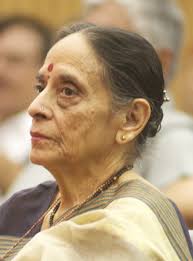
Justice Leila Seth was born on 20 October 1930 in Kolkata, West Bengal. She was a highly educated woman, earning her law degree from London University, becoming the first woman to join the prestigious Inner Temple in London and qualify as a barrister. Justice Seth began her legal career as an advocate in Delhi, where she established herself as a prominent figure in the legal community.
In 1978, she became a judge of the Delhi High Court, marking the beginning of her influential career in the judiciary.
On 5 August 1991, Justice Seth was appointed as Chief Justice of Himachal Pradesh High Court, making her the first woman to hold the post of Chief Justice of a State High Court in India.
This was a groundbreaking achievement, breaking gender barriers in India’s male-dominated legal field and paving the way for more women to aspire to positions of power in the judicial system. Justice Seth was known for her unwavering commitment to upholding the rule of law and ensuring justice for all. She worked tirelessly to make the judicial system more accessible and efficient.
Throughout her career, she was a vocal advocate for women’s rights and gender equality. Her landmark judgment in the Kiran Bedi case (regarding the rights of women prisoners) is widely recognized. She was also committed to addressing issues of gender discrimination and advocating for justice for marginalized communities.
Justice Leila Seth is remembered as a judicial pioneer and empowerment symbol for women in India. She was known for her excellent judgment skills, human rights advocacy, and fairness in tackling legal and societal issues.
She was also a prolific writer and penned her autobiography, “On Balance,” where she shared her personal journey and experiences in the legal profession. After her retirement, Justice Seth remained actively involved in the legal field as a mentor and advisor. She passed away on 5 May 2017 at the age of 86, leaving behind a rich legacy of judicial excellence and contributions to society.
Justice Leila Seth’s appointment as the first woman Chief Justice of a state high court in Himachal Pradesh was a landmark achievement in the history of the Indian judiciary. Her contributions to law, women’s rights, and gender equality continue to inspire many in the legal profession and beyond.