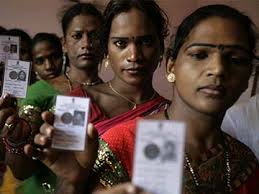
In 2014, India officially recognized the third gender category for voters, introducing the ‘Others’ option on electoral rolls.
This change was a direct result of the Supreme Court’s landmark decision in the National Legal Services Authority (NALSA) v. Union of India case, which affirmed the right of transgender persons to self-identify as male, female, or third gender. The ruling mandated the government to provide legal recognition and equal rights to transgender individuals, including their inclusion in all public and electoral processes.
The ‘Others’ category enabled transgender individuals to enroll as voters under a distinct identity, separate from the traditional male or female classifications. During the 2014 Lok Sabha elections, 28,314 transgender voters were registered under the ‘Others’ category. By the 2019 general elections, this number rose to 38,970, reflecting increased awareness and acceptance of the third gender category.
This inclusion was a significant step towards gender inclusivity in India’s democratic processes, ensuring transgender persons could vote without facing discrimination or exclusion. The ‘Others’ category symbolized broader societal recognition of transgender rights and visibility, marking progress towards equality.
The Election Commission of India (ECI) undertook special initiatives to ensure that transgender persons were informed about their rights and the new category.
Targeted awareness campaigns and outreach programs were conducted to facilitate voter registration and participation among transgender individuals.
Since the introduction of the third gender category, efforts have been ongoing to enhance the representation and participation of transgender persons in the electoral process.
The Election Commission continues to organize campaigns, especially in areas with significant transgender populations, to encourage voter registration and active participation in elections.
There are continued discussions and measures to further integrate transgender rights into various aspects of governance and public services, aiming to create a more inclusive society.
The introduction of the third gender category, ‘Others’, in India’s electoral rolls in 2014 marked a historic move towards gender inclusivity following the Supreme Court’s NALSA ruling. This change allowed transgender individuals to register and vote under a distinct identity. The enrollment of transgender voters increased from 28,314 in the 2014 Lok Sabha elections to 38,970 in the 2019 general elections. This inclusion has been a pivotal step in ensuring that transgender persons can exercise their democratic rights, reflecting broader efforts towards equality and inclusion in India’s democratic process.