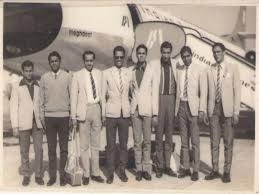
Before cricket and hockey dominated India’s sporting imagination, there was a time when water polo made waves for the nation on the continental stage. India’s men’s water polo team scripted a golden chapter in history with a gold medal in the inaugural 1951 Asian Games, followed by a silver in 1970, marking a high point for the sport in the country.
The 1951 Asian Games, held in New Delhi, witnessed India’s water polo team emerge as the best in Asia, winning the gold medal in front of a home crowd. With a well-balanced team of swimmers and strategists, India outplayed regional rivals in a display of grit, coordination, and stamina — cementing the nation’s dominance in aquatic sports during the early decades of independence.
Almost two decades later, at the 1970 Asian Games in Bangkok, India once again showcased its strength in the pool. Though they narrowly missed the top spot, the Indian team’s performance earned them a silver medal, reaffirming their status as a major force in Asian water polo during that era.
These triumphs were not just medals but milestones — reflecting an era when India excelled in a wide range of aquatic disciplines. The sport saw dedicated athletes, passionate coaches, and strong institutional support that helped India compete toe-to-toe with powerhouses like Japan and Iran.
Today, while water polo is no longer in the national spotlight, the achievements of the 1951 gold-winning team and the 1970 silver medallists remain a proud part of India’s aquatic heritage. As efforts grow to revive and support lesser-known sports, the legacy of India’s water polo pioneers serves as an inspiring reminder of what is possible with vision and commitment.